

An island anchored to a sea goddess. In the late Ming and early Qing dynasties, seafaring fishermen from Putian, Fujian Province, brought Mazu veneration across the sea to Dongtou, where it took deep root. Whenever a new fishing boat was constructed, a sacred shrine was reverently installed in the midship cabin. At the commencement and conclusion of every fishing season, crews gathered at Mazu temples to pray for safe voyages and abundant catches. Today, the island boasts 11 dedicated Mazu temples alongside another 11 sanctuaries where Mazu is co-worshipped with Lady Chen Shisi — a spiritual heritage spanning over three centuries.
The 23rd day of the third lunar month (her birthday) and the 9th day of the ninth lunar month (her ascension) stand as the island's most solemn annual observances: marked by sacrificial rites (zuogong), grand palanquin processions, the vibrant "Fire-Cauldron Welcoming Procession" (Ying Huo Ding), and traditional opera performances. Following the ritual ceremonies, hospitable islanders set out hundreds of banquet tables for "Peace Banquets" (Ping'an Yan) in Dongsha and Shajiao villages, where extended families, lifelong friends, and visiting travelers gather in joyful fellowship.
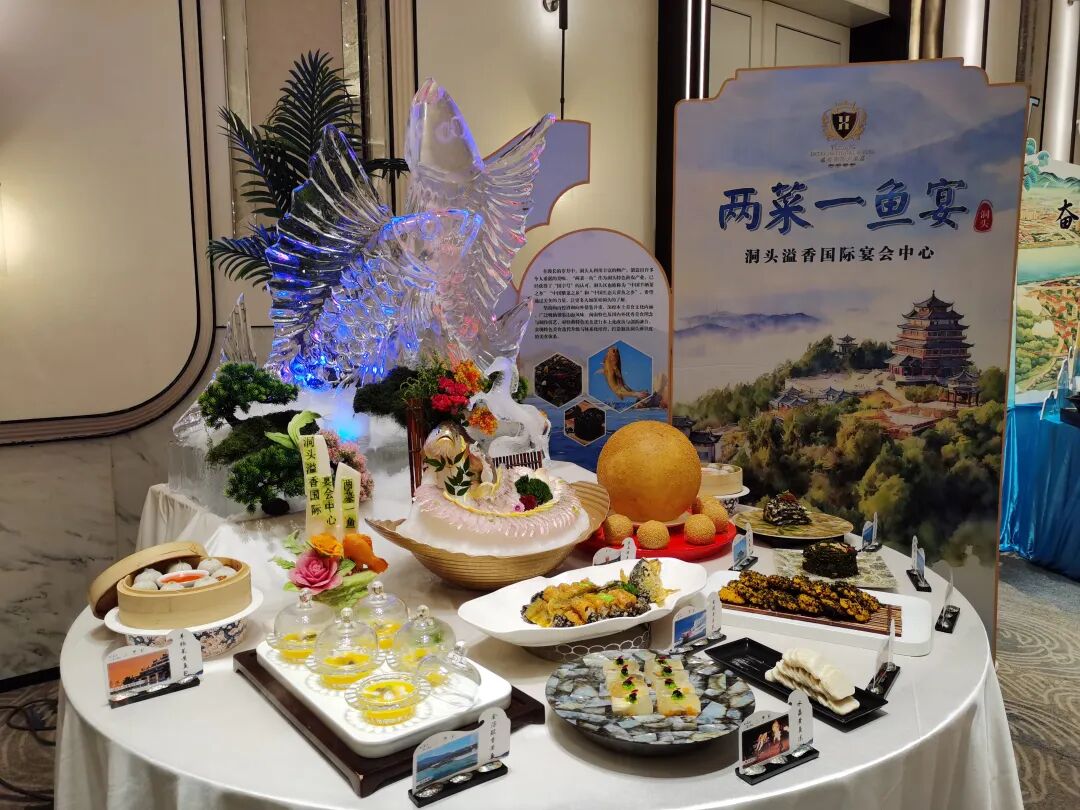
Twelve courses, twelve sacred prayers. The defining soul of the feast is "Mazu Cuisine" (Mazu Cai): twelve signature hot courses, each inspired by legendary tales of the goddess, with every title echoing a fisherman’s deep prayer to the sea.
Peace Seafood Rice (Ping'an Haixian Fan): Seasonal marine bounty — sweet shrimp, plump clams, and tender squid — simmered together with white rice, allowing the ocean's natural sweetness to infuse every grain. As the banquet’s core centerpiece, it carries profound emotional weight: when a fisherman returns safely from the open sea and the family gathers around, this single pot holds the comforting reassurance that "everyone has arrived home safe and whole."
"Fair-Wind" Crisp (Shunfeng Erduo): Paper-thin sliced pig ears or conch meat, chilled and dressed cold for a crisp, refreshing bite. The term "Fair-Wind" (Shunfeng) embodies a fisherman’s most fundamental wish: favorable winds for the voyage — setting sail when the breeze rises and returning safely when the gales subside.
Family Reunion (Quan Jia Fu): A rich, steaming broth brimming with diverse seafood, savory meatballs, and tender fish balls. This dish never misses a Dongtou banquet: island families spend long months separated by the waves, and every ingredient in the pot represents a cherished family member — missing a single element means the reunion remains incomplete.
Gold and Jade Filling the Hall (Jinyu Mantang): A vibrant, golden dish crafted from sweet corn, rich pumpkin, and dried scallops. The "gold" reflects the radiant dried scallops, while the "jade" embodies the smooth, warm pumpkin — a auspicious prayer for filled granaries and prosperous, glowing days ahead.
Fish and Shrimp Filling the Hold (Yu Xia Man Cang): A magnificent whole fish served alongside large prawns on a single platter, either red-braised or delicately steamed. On the Dongtou dining table, numbers are never arbitrary: one extra prawn symbolizes "abundant offspring and blessings," while a fish one inch longer signifies "year after year of prosperity and surplus."
Voyage of Peace and Protection (Ping'an Yuanhang): A whole swimming crab or mud crab steamed intact, with its outer shell pristine and its golden roe full. The crab is presented completely unshelled, symbolizing a sound, intact vessel and a safe voyage. One does not rush to break the shell; diners first admire the pair of formidable claws — visual avatars of the twin protector deities safeguarding the ship as it cuts through crashing waves.
Beyond these core offerings, supplementary seasonal seafood courses adapt fluidly to the daily catch: fish are prepared at the height of the seasonal run, while shellfish are featured when at their plumpest. Every season's Mazu Banquet represents the ocean’s most generous gift.
A national heritage. In 2011, the Dongtou Mazu Rites and Ceremonies were officially inscribed on the third batch of China's National Intangible Cultural Heritage Register (Item No. X-36). The maritime faith that crossed the Taiwan Strait from Putian over three hundred years ago has blossomed into a national cultural treasure. Mazu Cuisine is far more than a meal: it is the solemn farewell feast before fishermen entrust their lives to the vast ocean, and the joyful thanksgiving feast upon their safe return. For over three centuries, the people of Dongtou have sustained this sacred rhythm of "worshipping while dining, and dining while worshipping," fusing reverence for the sea and love for life into every bowl of peace soup. The sea changes, wooden hulls age, and generations grow old — yet the Mazu banquet is laid out year after year. As long as the ocean endures and sailors launch into the mist, the table set for the Goddess will never stand empty.