

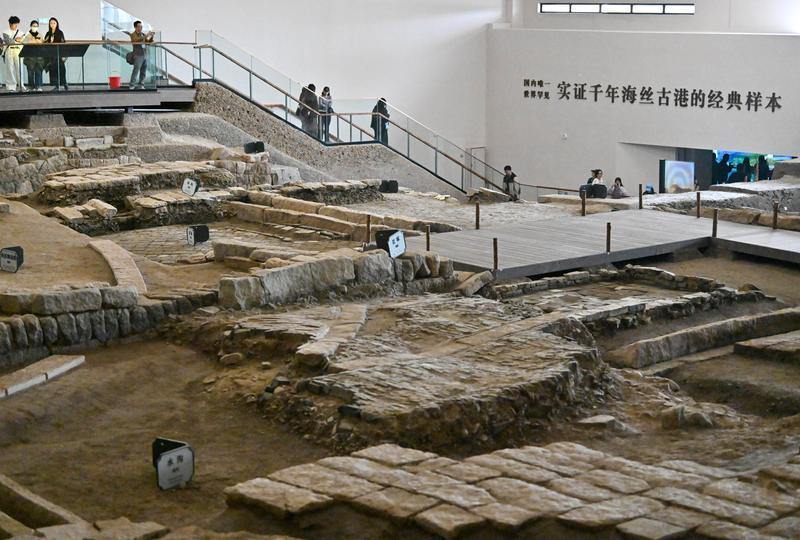
Wenzhou flavour never stayed in Wenzhou. Nine centuries ago the city was a trading port; in the 1980s and 90s, Ou cuisine chefs took jobs in Chinese restaurants across Europe; today a single banquet reaches across the sea. Taste travels with people — and grows where it lands.
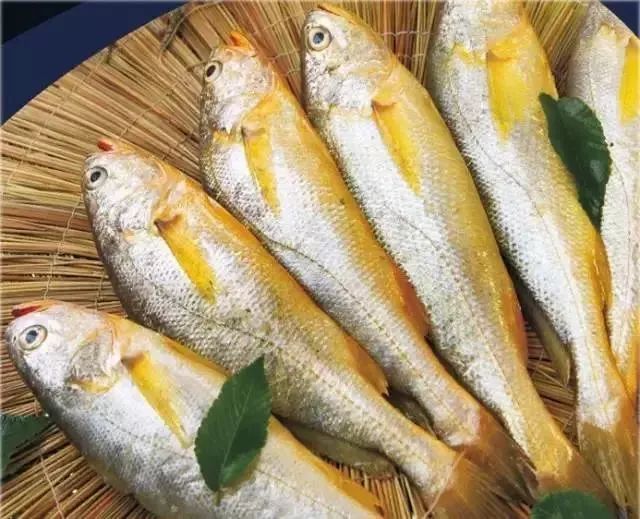
Ou cuisine — the cooking of Wenzhou, named after the city's ancient title — turns the bounty of the mountains and sea into a distinctive way of cooking: light oil, light starch, heavy knife work. It lives on family tables, in street stalls and in banquet halls, and it is passed down by hand, generation after generation.
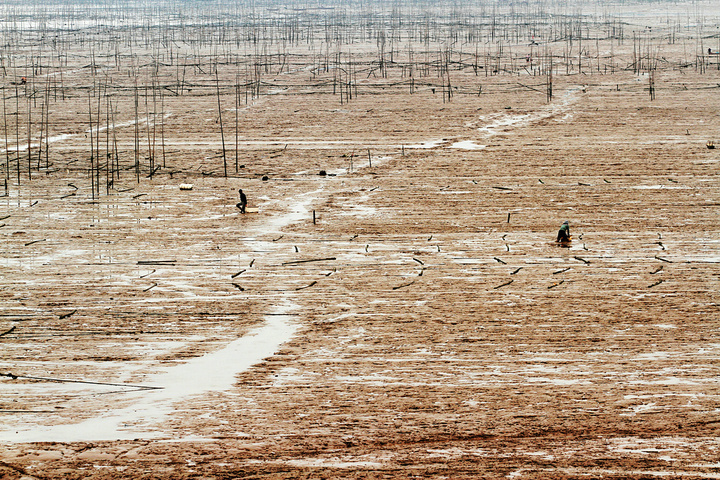
Wenzhou cooks build everything on freshness. That freshness has an address: hills on three sides, the East China Sea in front, and three rivers running from the hills to the sea. Each landscape keeps its own calendar — and together they deliver the city's four-season larder to the kitchen door.
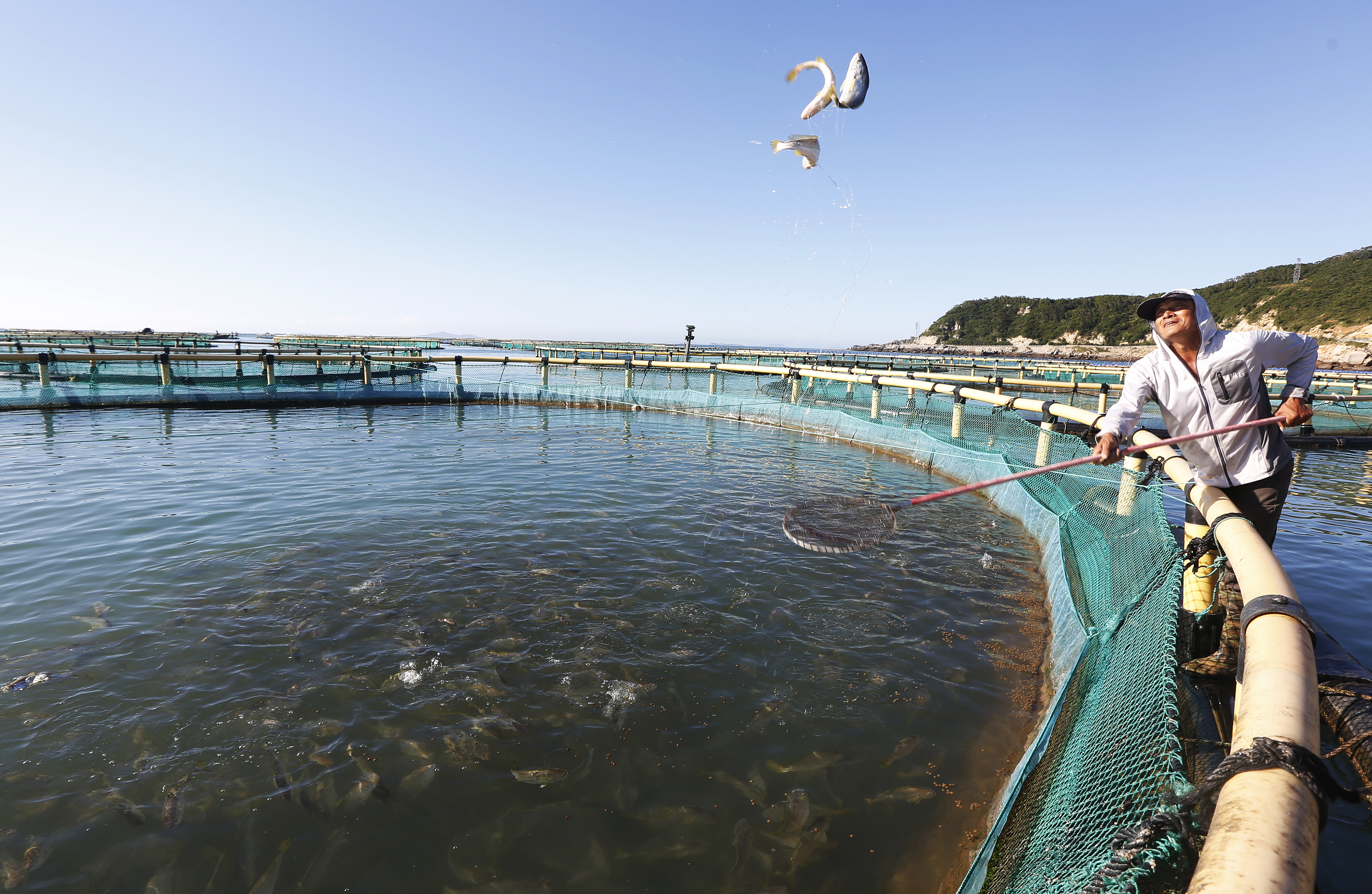
Wenzhou's seafood reaches its markets and dining tables within hours of leaving the water. Tracing that swift journey reveals how a city on the East China Sea savor its ocean gifts — and how it keeps the sea's larder perpetually full.
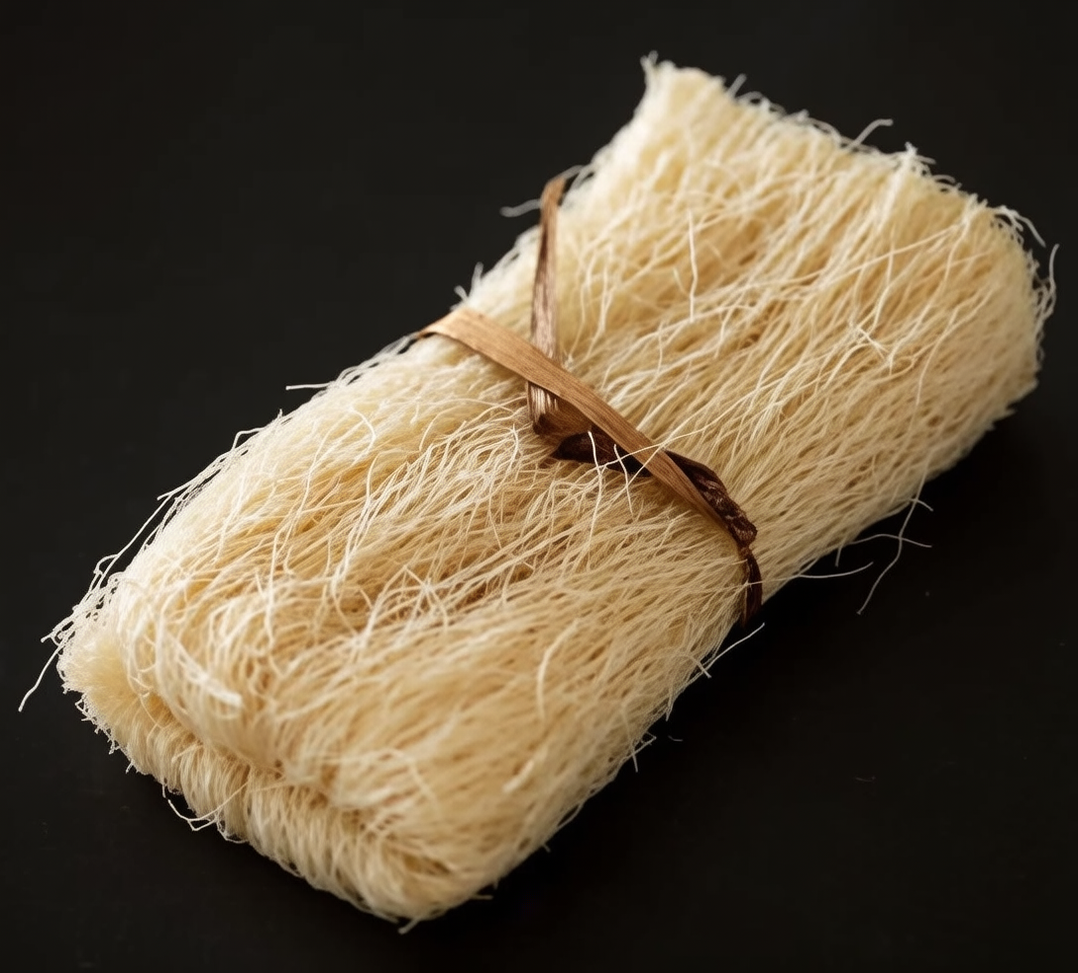
Wenzhou sits along the East China Sea with the Ou River threading through its heart, while its western hills reach deep inland — creating a unique terroir where "mountains meet the sea." Its pantry is drawn from two distinct worlds: the marine bounty of coastal waters, and the fruits, teas, and medicinal herbs of the highlands. These ten iconic ingredients are the master keys to understanding the origin of Ou Cuisine’s celebrated freshness.
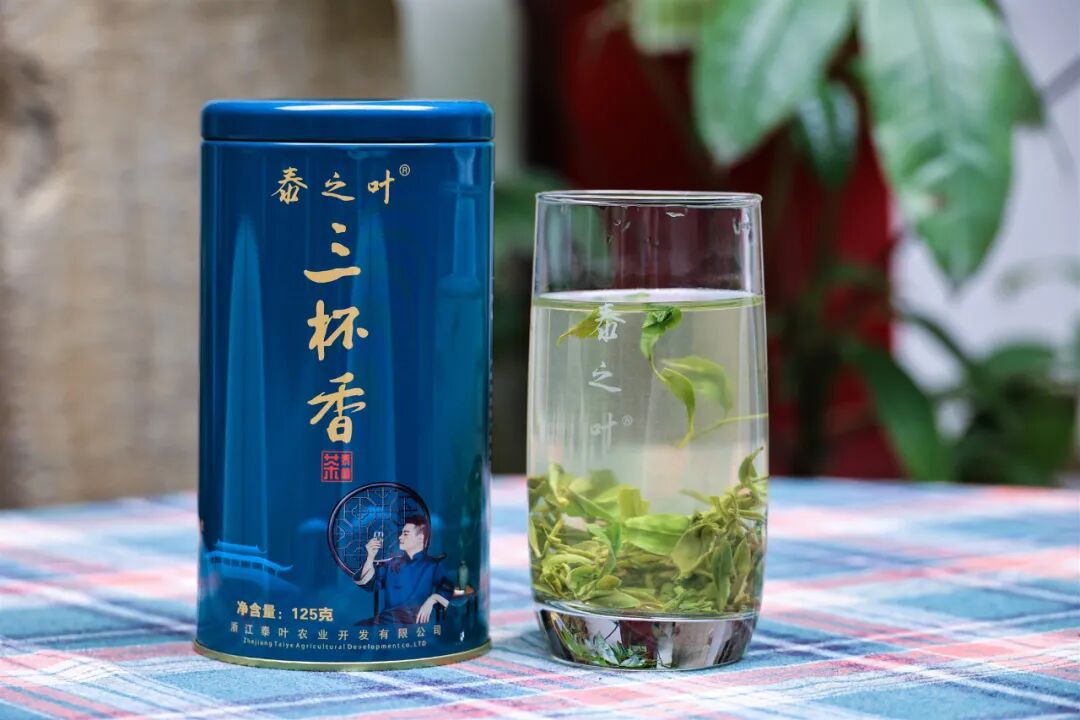
Wenzhou sits along the East China Sea with the Ou River threading through its heart, while its western hills reach deep inland — creating a unique terroir where "mountains meet the sea." Its pantry is drawn from two distinct worlds: the marine bounty of coastal waters, and the fruits, teas, and medicinal herbs of the highlands. These ten iconic ingredients are the master keys to understanding the origin of Ou Cuisine’s celebrated freshness.
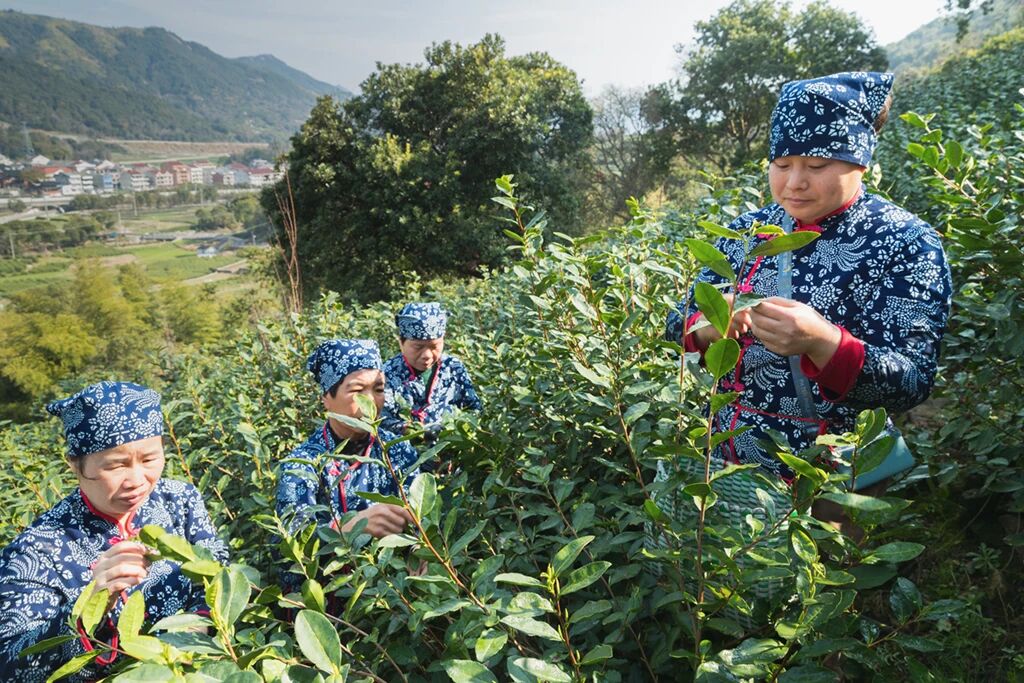
Wenzhou sits along the East China Sea with the Ou River threading through its heart, while its western hills reach deep inland — creating a unique terroir where "mountains meet the sea." Its pantry is drawn from two distinct worlds: the marine bounty of coastal waters, and the fruits, teas, and medicinal herbs of the highlands. These ten iconic ingredients are the master keys to understanding the origin of Ou Cuisine’s celebrated freshness.
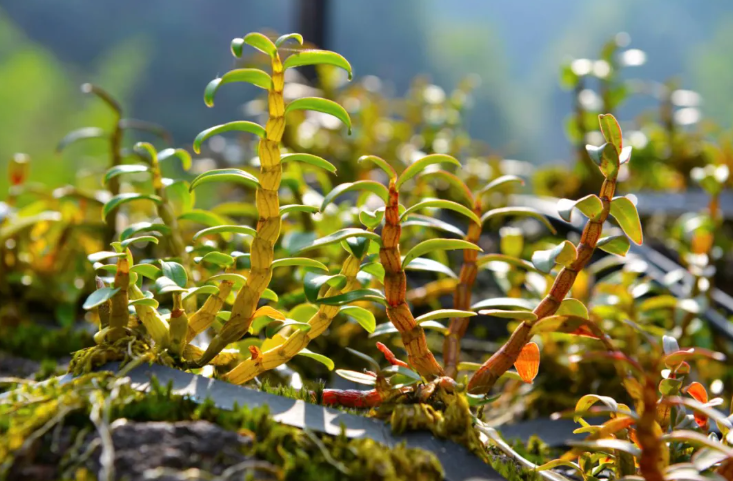
Wenzhou sits along the East China Sea with the Ou River threading through its heart, while its western hills reach deep inland — creating a unique terroir where "mountains meet the sea." Its pantry is drawn from two distinct worlds: the marine bounty of coastal waters, and the fruits, teas, and medicinal herbs of the highlands. These ten iconic ingredients are the master keys to understanding the origin of Ou Cuisine’s celebrated freshness.
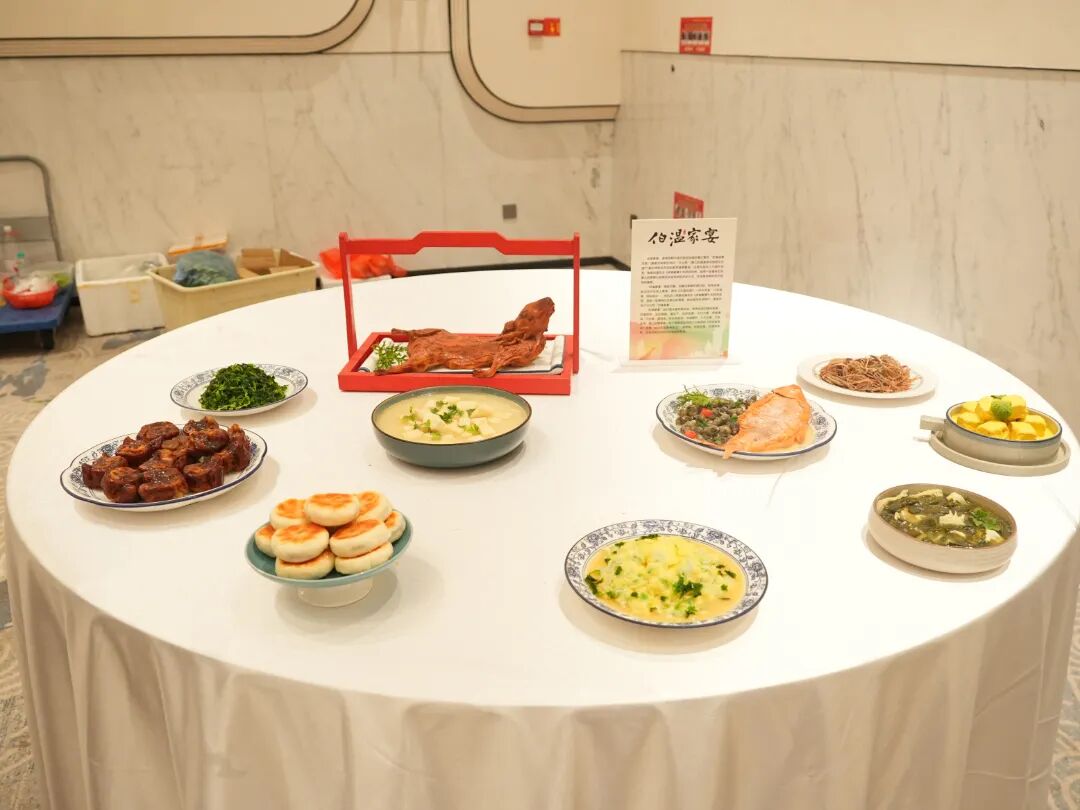
In Nantian Town, Wencheng County, descendants of the Liu clan gather twice a year — in spring and autumn — at the Imperially Erected Shrine of Count Chengyi (Qinjian Chengyibo Miao) to honor their ancestor Liu Ji (also known as Liu Bowen), the founding State Mentor of the Ming dynasty. The solemn clan feast that follows is the "Bowen Family Banquet" (Bowen Jiayan), where every dish turns a page in his legendary life: the triangular dumplings his mother pinched before his imperial examinations, the bitter wild greens that memorialize his clean sleeves of integrity, and the toasted sesame cake born from a famous riddle shared with the emperor.
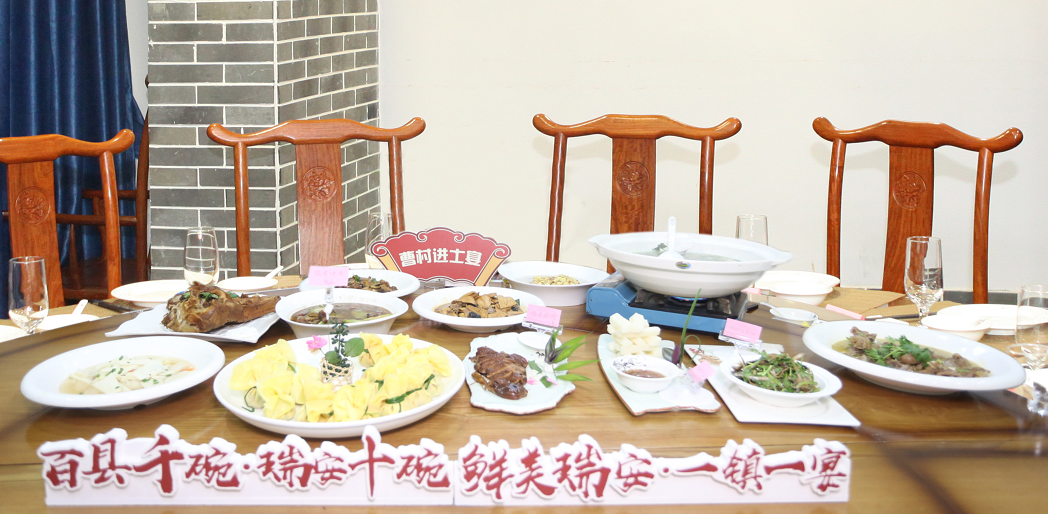
Between 1157 and 1404, a single quiet village in Ruian produced an astounding 82 jinshi — scholars who passed the highest tier of the imperial civil service examinations. Today, Caocun proudly calls itself "China's First Village of Jinshi," transforming that historic academic resume into a culinary masterpiece: a grand banquet where every single dish is named after a milestone on the scholar's journey to high office, from "Ascending the Imperial List" fine noodles to "Pure and Uncorrupted" sweet lotus-seed soup.
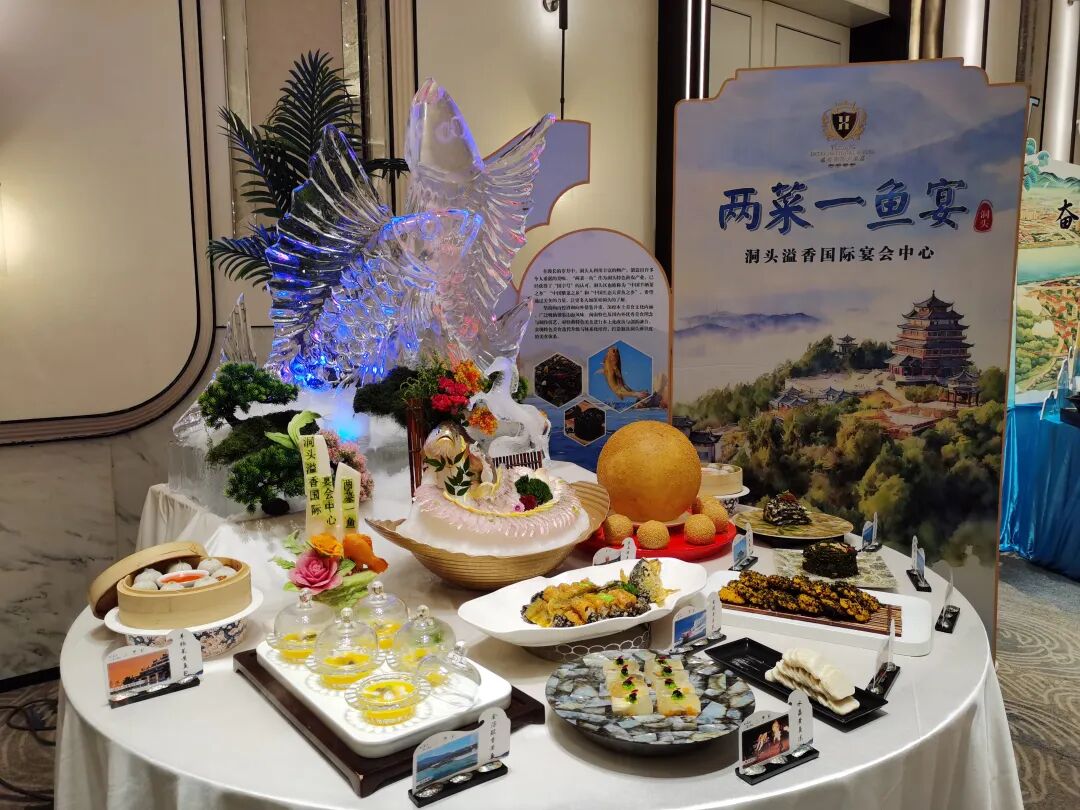
Every year on the 23rd day of the third lunar month — the sacred birthday of Mazu, Goddess of the Sea — islanders across Dongtou lay out hundreds of tables for "Peace Banquets" in Dongsha and Shajiao villages. At the centerpiece of each feast are twelve hot courses crafted around the goddess's legends: savory seafood rice praying for a complete family reunion, whole steamed crabs wishing for safe seafaring, and golden scallop-and-pumpkin platters calling for cargo holds filled with bounty.
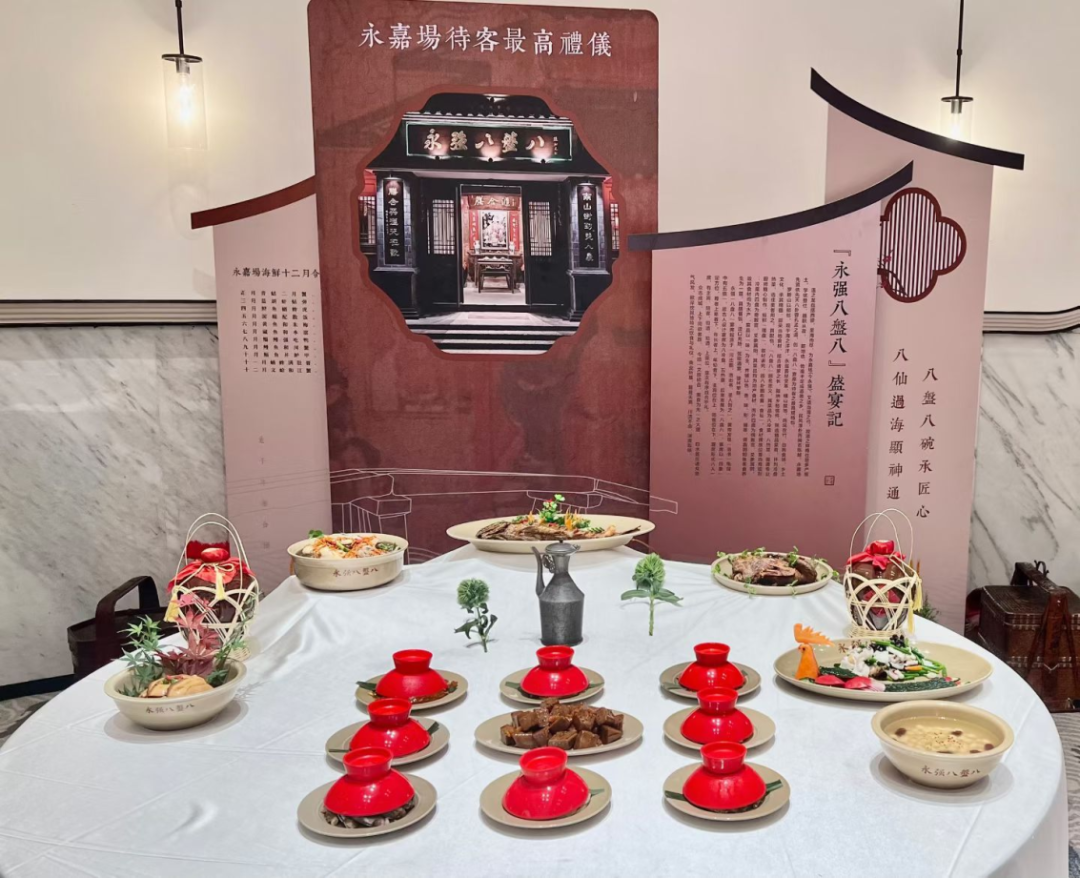
In Yongjiachang, Longwan, the highest expression of culinary hospitality is a centuries-old feast known as "Eight Plates and Eight Bowls" — eight cold appetizers, eight hot courses, served to eight honored guests around a perfectly square Eight Immortals table. Here, the cold dishes must mirror cosmic yin and yang, ten-legged sea creatures are strictly forbidden, and the centuries-old rules governing sitting, serving, and eating are as immutable as the feast itself.
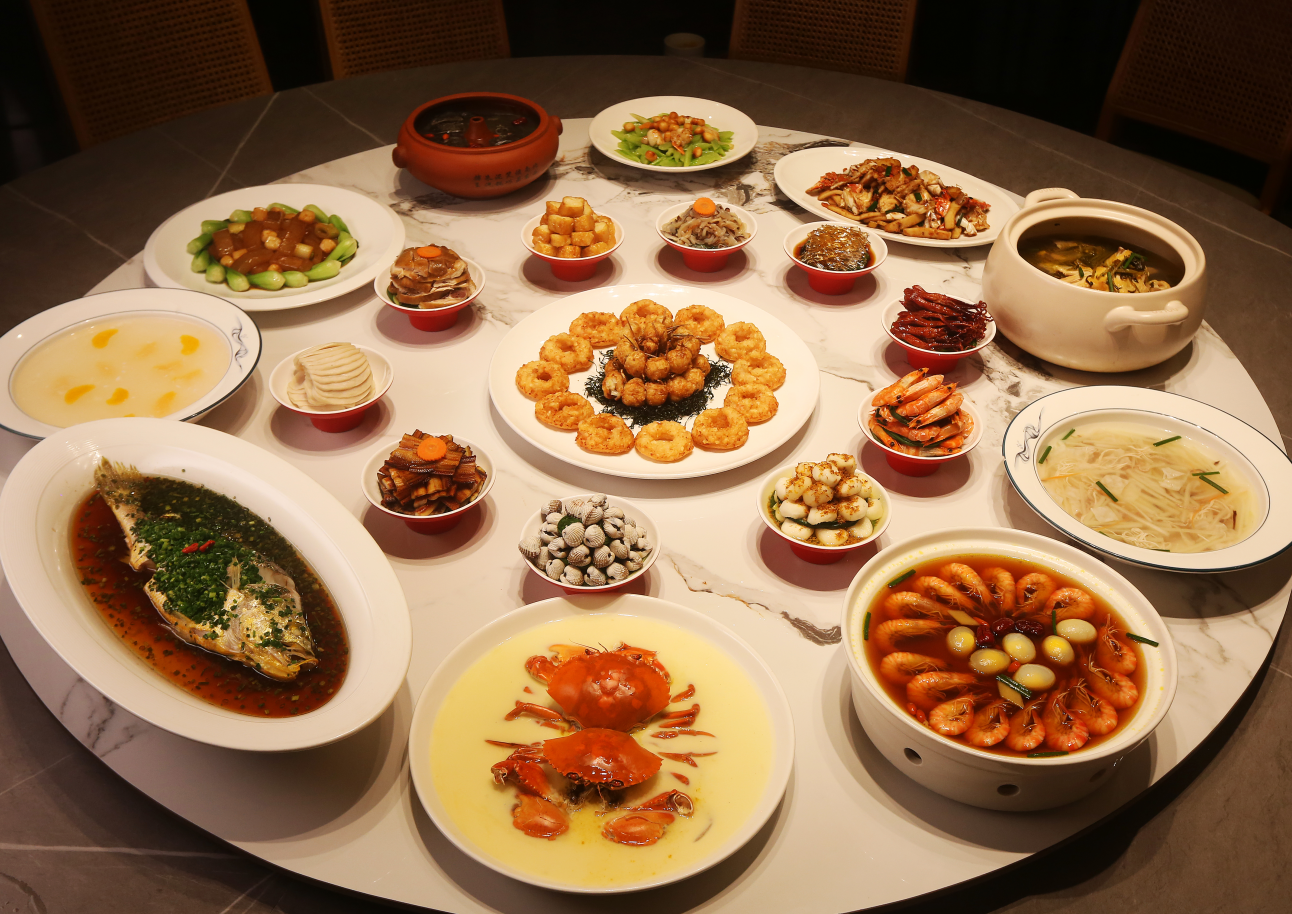
Most of China calls the New Year's Eve meal a reunion dinner. In Wenzhou, it has a name of its own: Fensui Jiu — the "year-dividing feast." From ten vermilion bowls to the order of the hot courses, every element of the meal is a script for family ritual.
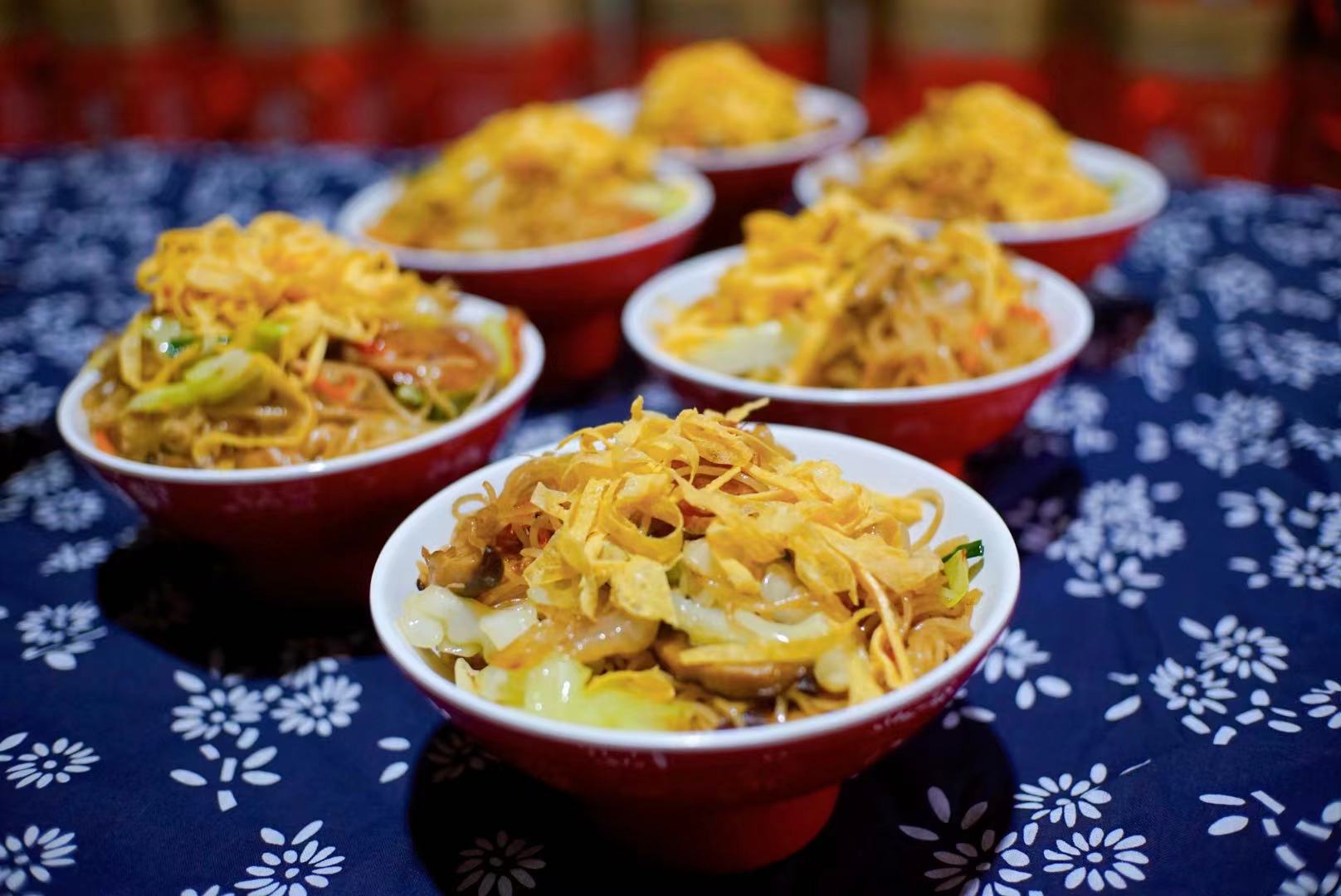
Ou Cuisine is built on seafood, light oil, delicate thickening, and meticulous knife work. These ten signature dishes showcase its culinary mastery — pounded fish consommé, scallion-oil croaker, mud crab with egg white — and ten more snacks embody its vibrant street culture, from fish balls that are decidedly not round to the bowl of glutinous rice the city wakes up to.
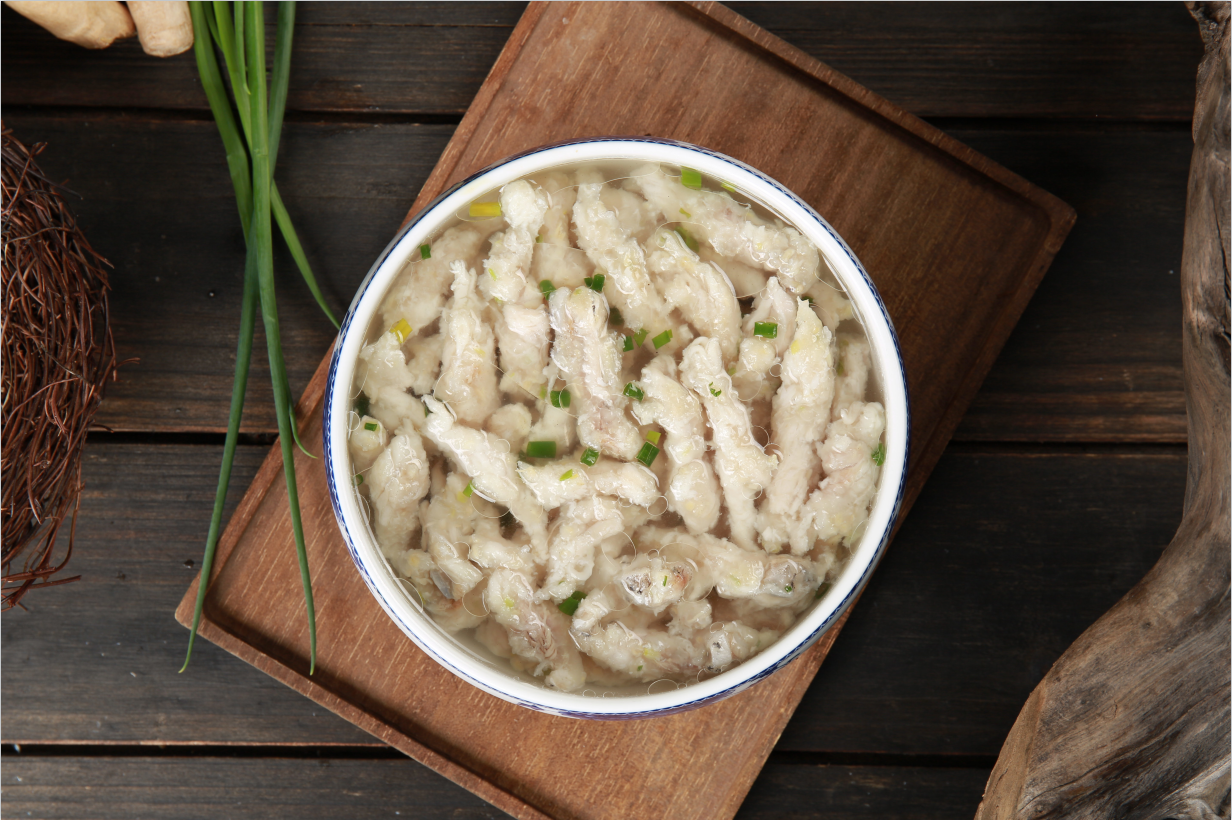
Ou Cuisine is built on seafood, light oil, delicate thickening, and meticulous knife work. These ten signature dishes showcase its culinary mastery — pounded fish consommé, scallion-oil croaker, mud crab with egg white — and ten more snacks embody its vibrant street culture, from fish balls that are decidedly not round to the bowl of glutinous rice the city wakes up to.
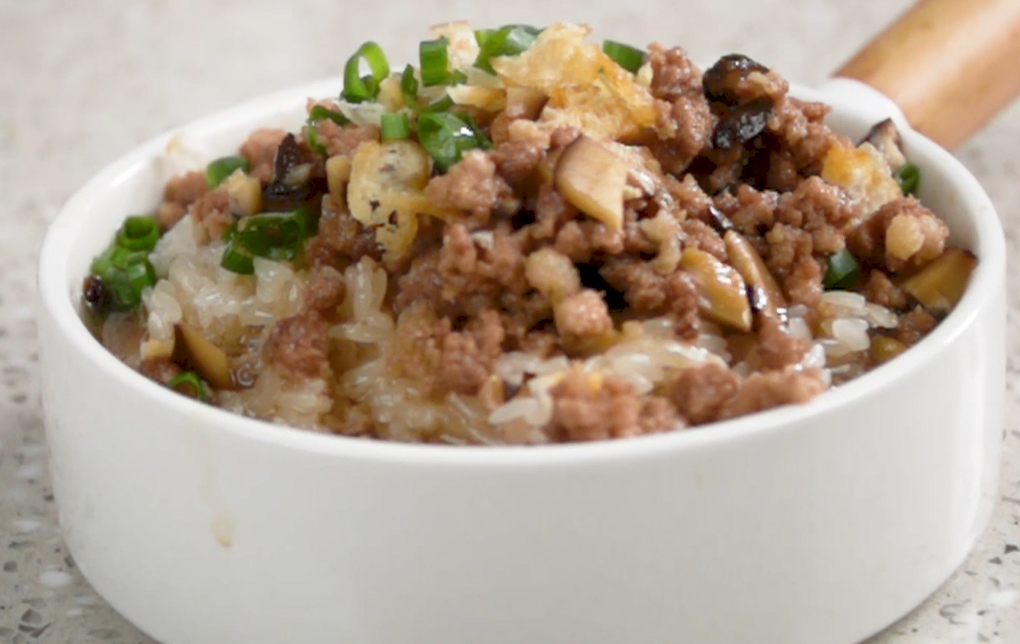
Ou Cuisine is built on seafood, light oil, delicate thickening, and meticulous knife work. These ten signature dishes showcase its culinary mastery — pounded fish consommé, scallion-oil croaker, mud crab with egg white — and ten more snacks embody its vibrant street culture, from fish balls that are decidedly not round to the bowl of glutinous rice the city wakes up to.
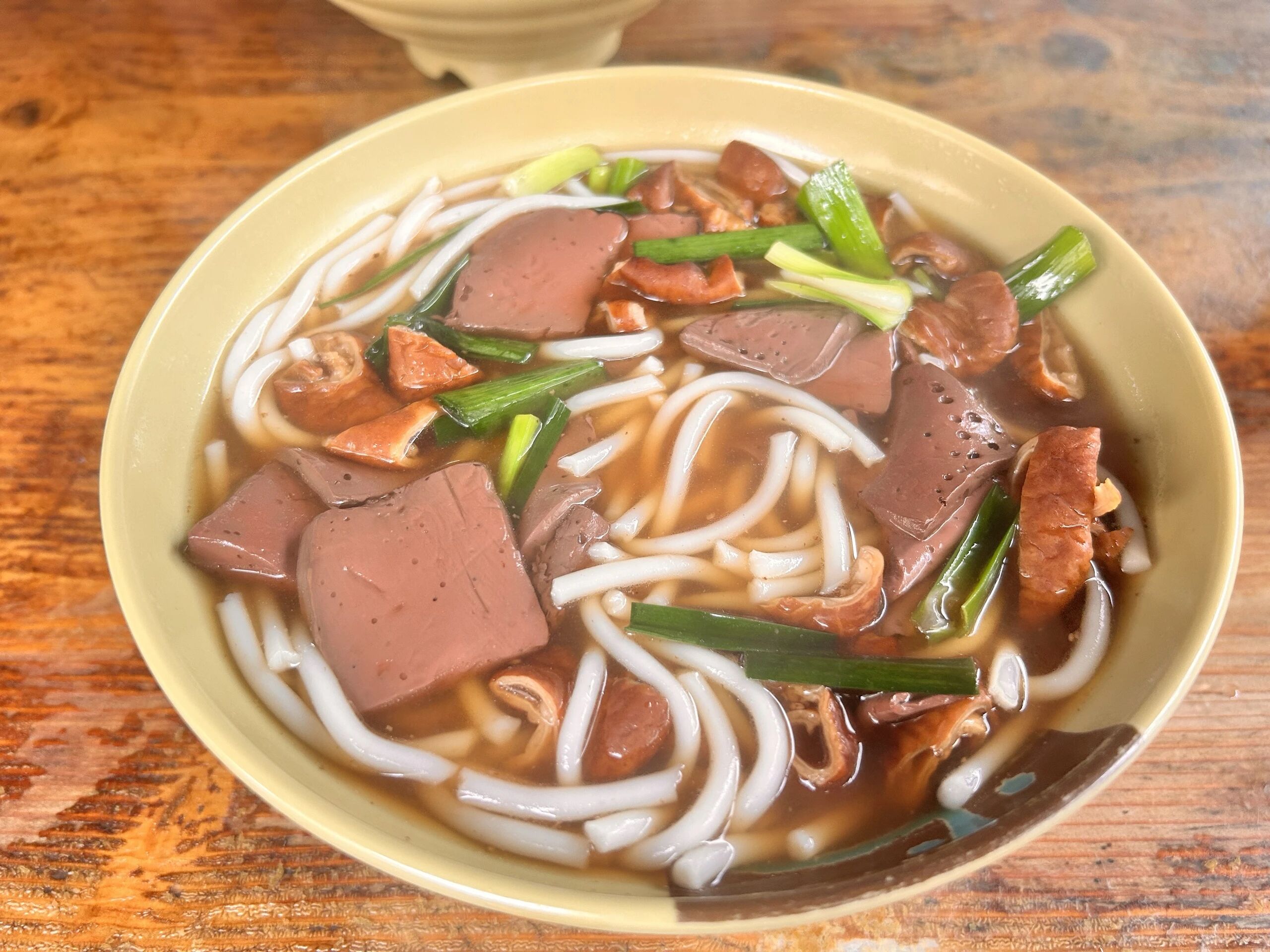
Ou Cuisine is built on seafood, light oil, delicate thickening, and meticulous knife work. These ten signature dishes showcase its culinary mastery — pounded fish consommé, scallion-oil croaker, mud crab with egg white — and ten more snacks embody its vibrant street culture, from fish balls that are decidedly not round to the bowl of glutinous rice the city wakes up to.
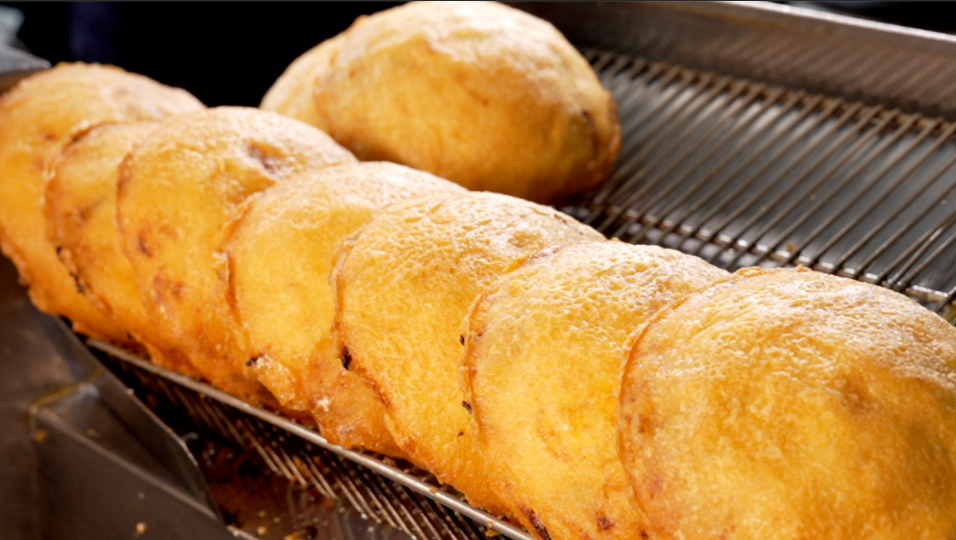
Ou Cuisine is built on seafood, light oil, delicate thickening, and meticulous knife work. These ten signature dishes showcase its culinary mastery — pounded fish consommé, scallion-oil croaker, mud crab with egg white — and ten more snacks embody its vibrant street culture, from fish balls that are decidedly not round to the bowl of glutinous rice the city wakes up to.
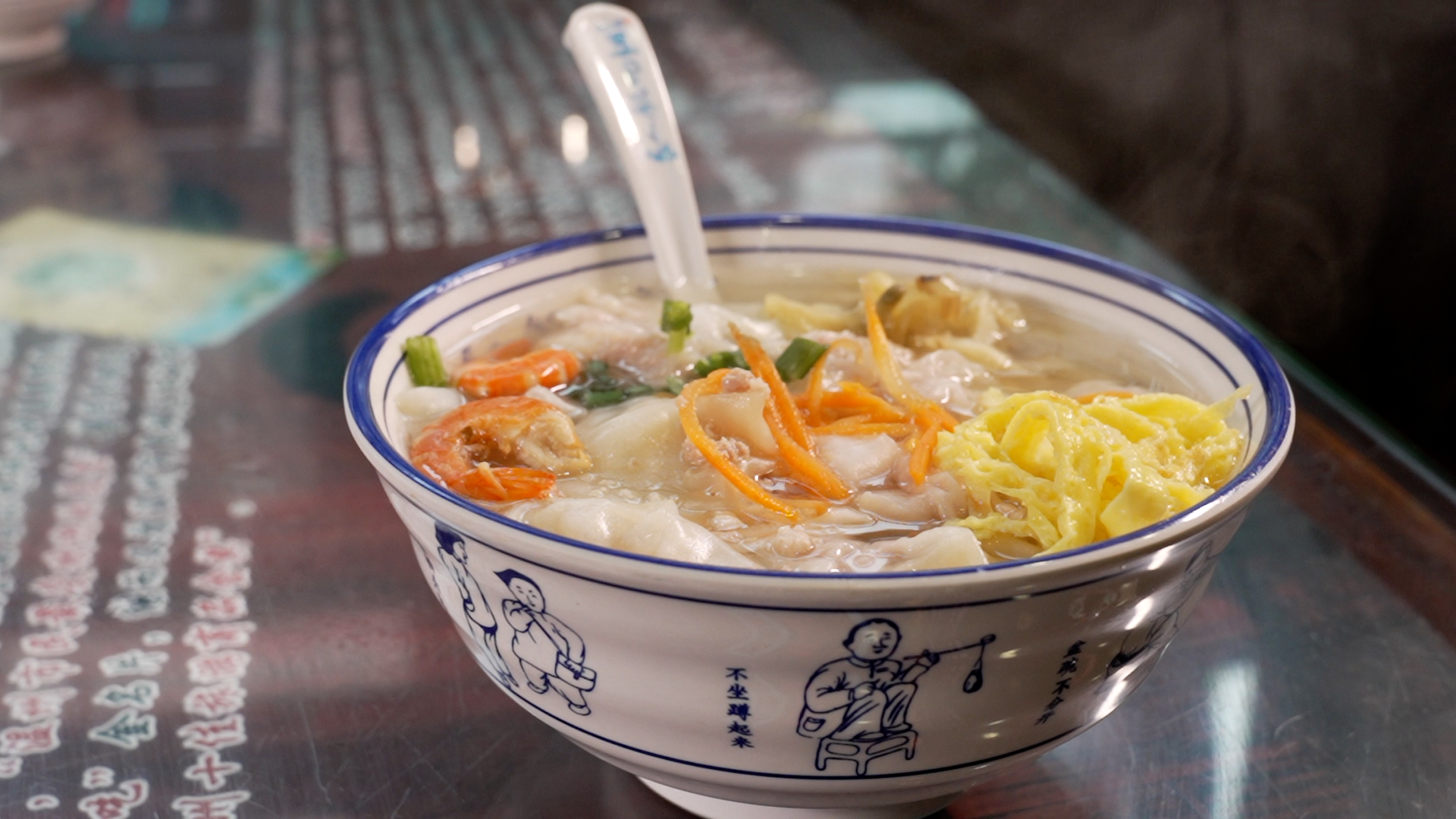
Ou Cuisine is built on seafood, light oil, delicate thickening, and meticulous knife work. These ten signature dishes showcase its culinary mastery — pounded fish consommé, scallion-oil croaker, mud crab with egg white — and ten more snacks embody its vibrant street culture, from fish balls that are decidedly not round to the bowl of glutinous rice the city wakes up to.