

People of Wenzhou call their cooking Ou cuisine — "Ou" is the city's ancient name. Mountain, sea and river deliver their produce on schedule; the people of Wenzhou catch that freshness and shape it into a way of eating with rules and layers, passed down from one generation to the next.
What is Ou cuisine?
Half the answer fits in one sentence: seafood at its core, light oil and light starch, a heavy emphasis on knife work, clean and delicate flavours, and fine, careful cooking. The other half only becomes clear when you sit down and eat a table of it.
What holds the taste together?
Freshness comes first. When the mountains and sea already provide ingredients at their best, there is little need to add or alter much. Ou cuisine's rule of thumb is "two lights, one heavy": light oil, light starch, heavy knife work. Steaming, poaching and simmering dominate — the methods that let the ingredients speak for themselves. Wenzhou cooks describe their palate as "light without being thin, sweet without being cloying, sour without being harsh, salty without being heavy, spicy without being fierce": every flavour stops just short of masking the ingredient itself.
What kind of craft makes it?
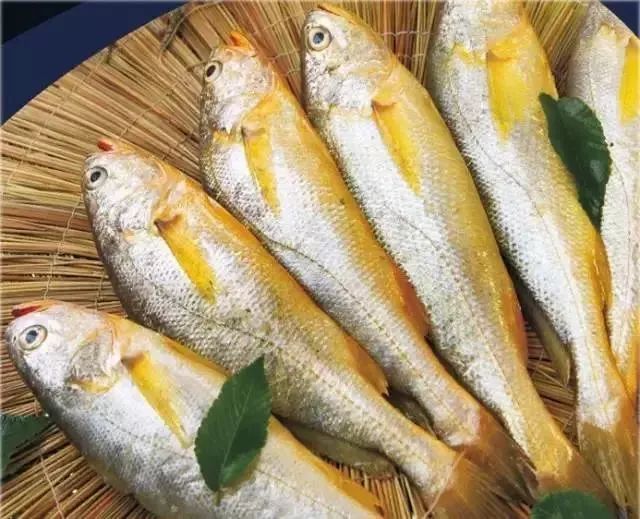
It starts with the hands. In "pounded fish", a fillet is dusted with starch and beaten flat with a wooden mallet, then poached; hammered shrimp goes the same way — butterflied, flattened, dropped into boiling water. At China's first national cooking competition in 1983, Jin Cifan set down a plate of fine fish shreds — each strip twenty centimetres long, thin as rice noodles, even in width — and took first place. Cut flowers into a cuttlefish and it curls open under heat like a flower. Fish balls and fish cakes depend on precise proportions: how much salt, how much starch to a jin of fish is a balance Wenzhou cooks hold in their hands. The fish balls in a Wenzhou soup are pinched into strips, each one slightly different — and each one springs with flavour.
Where does it live?
It lives in four places. On the family table — New Year's Eve dinners, Qingming cakes in spring, thin pancakes at Dragon Boat — in Wenzhou, food follows the calendar, and every household has its own version. In street stalls, where fish ball soup and stir-fried rice noodles are always close at hand. In banquet halls: in the Republican era a wedding spread might run to "twelve double plates and sixteen hot dishes" — dozens of dishes on one table — and the seafood banquets of today's restaurants keep the scale. And in an evolving new Ou cuisine: at the Weirong restaurant, Hu Yingjian builds new dishes on "the best ingredients, the simplest methods, the right cooking time", even flash-freezing live swimming crabs to minus 50°C before marinating them. Ou cuisine has not been shelved in a museum; it is still being ordered, refined and set on new tables.
How does the craft pass down?
Not by taste alone. In 1956 Wenzhou opened its first state-run restaurant; the same year, Xu Yanchi, Nan Yongkun and eight other veteran chefs carried pounded fish, fried croaker and fish cakes to a provincial fair in Hangzhou, putting Wenzhou cooking in the province's top four. The tradition continued through successive generations of chefs: Jin Cifan took first place nationally in 1983; his student Pan Xiaolin compiled the recipes into the book Zhongguo Oucai (Ou Cuisine of China), giving the cuisine its own written record; Zhou Xiong won the national youth chefs' contest in 1990 and was later recognised as a living inheritor of the craft. The craft itself was listed as Wenzhou municipal intangible cultural heritage in 2008, and as a Zhejiang provincial heritage item in 2012. A fourth generation now stands at the stoves — their stories are still being written.
This craft does not stop at Wenzhou's border. It has followed Wenzhou people overseas, meeting and growing at tables in other cultures.