

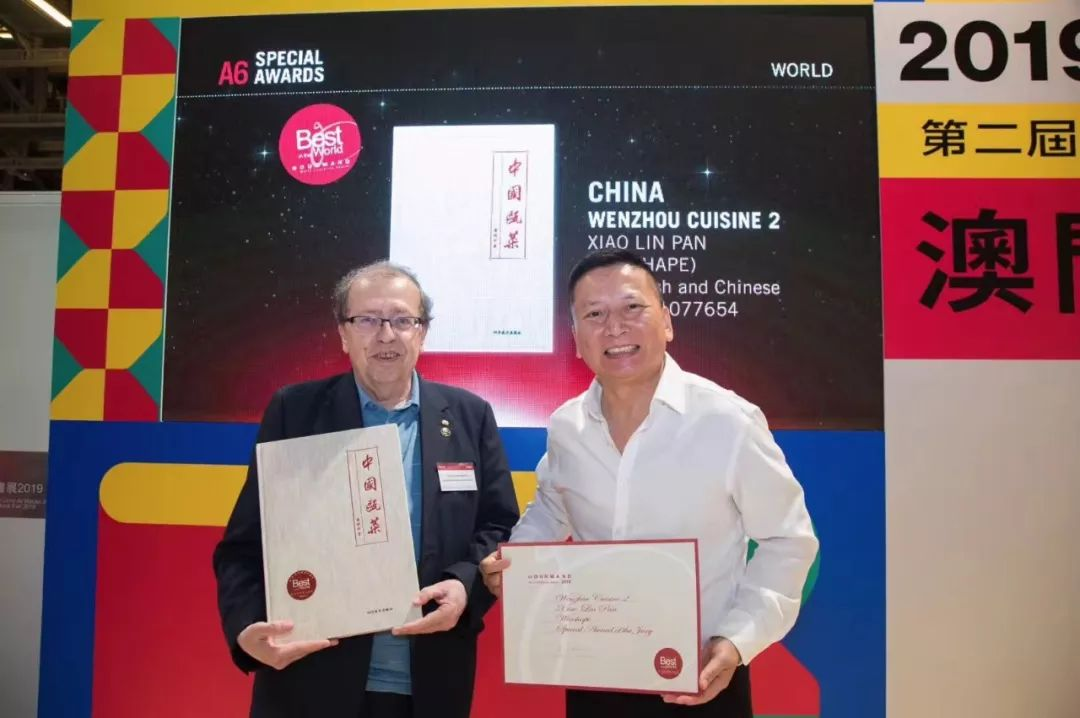
I. The cookbook that ended "dishes without recipes." In 2001, Ou Cuisine Master Pan Xiaolin published the first volume of Chinese Ou Cuisine. Seventeen years later, in 2018, he published the second. Together, the two volumes collected over 200 recipes — traditional heritage dishes, home-style seafood preparations, and classic Wenzhou snacks and dim sum. Pan, who received a special government allowance for his contributions, said the books were created to eliminate a long-standing plight he called "dishes without written recipes" (you cai wu pu).
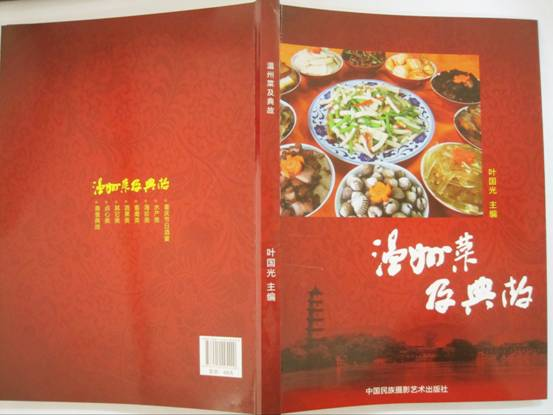
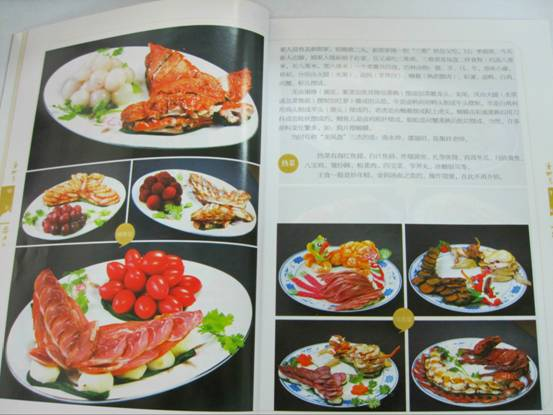
He was not alone. Zhou Xiong, recognized by Zhejiang Province as an official intangible cultural heritage inheritor of Ou Cuisine techniques, published Ou Cuisine Flavors and Culinary Skills. Ye Guoguang, another Ou Cuisine Master, published Wenzhou Dishes and Their Lore in 2014. Zhou Rongguang authored Food Culture of the Zeyang Paper Mountain Region in 2015. Meanwhile, an academic paper titled "Historical Lineage and Drivers of Prosperity in Ou Cuisine" was published in a provincial journal, categorizing the cuisine’s evolution into five distinct phases: formative, early development, maturation, peak expansion, and contemporary flourishing. The collective impact was profound: turning an oral tradition into something a culinary student could open, study, and cook from.
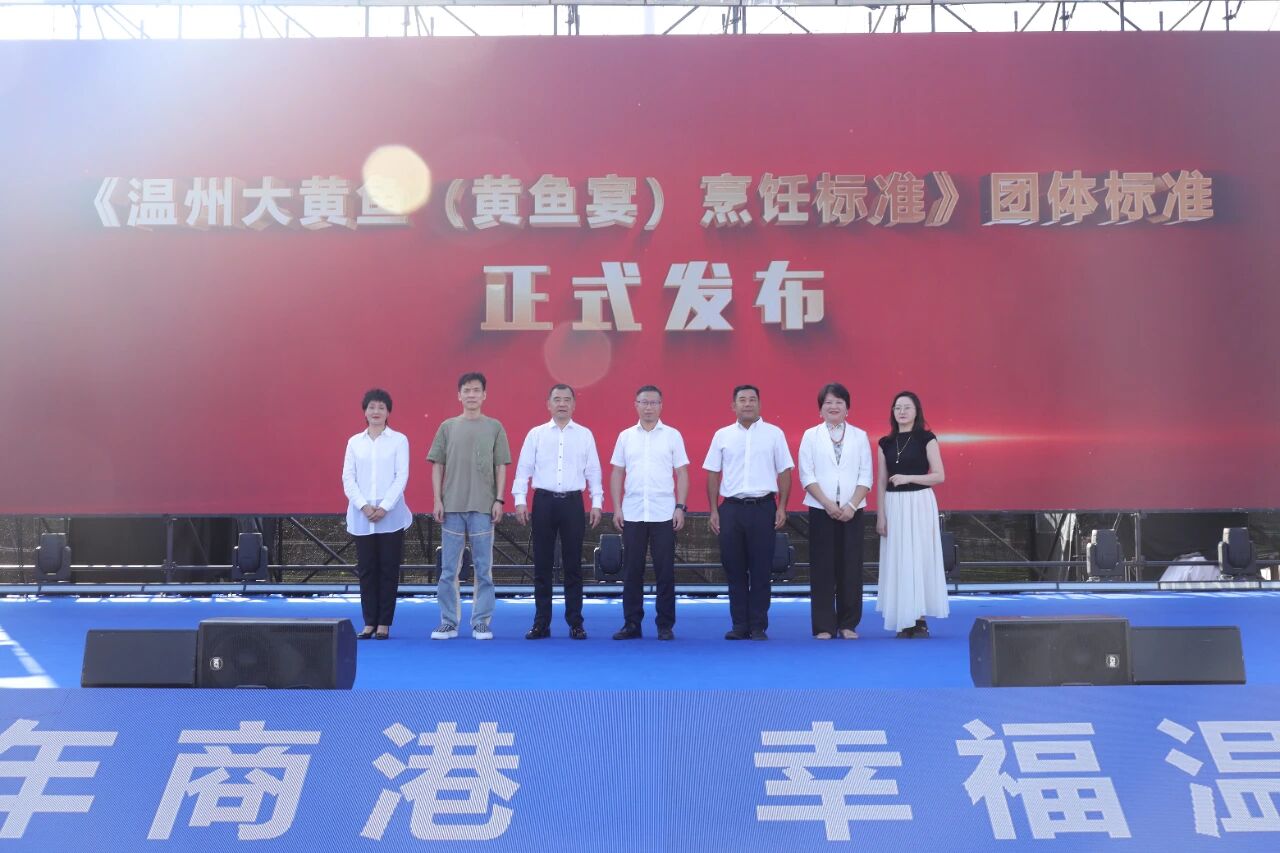
II. The standard that made a fish a procedure. In January 2025, the Wenzhou Restaurant, Hotel and Culinary Industry Association released an industry group standard: "Wenzhou Yellow Croaker (Croaker Banquet) Culinary Standard." An industry standard is not merely a recipe. It is a formal document specifying raw ingredients, exact proportions, procedural steps, and quality benchmarks — the very mechanism that enables a hotel in one district to prepare a signature dish identically to a hotel in another.
The yellow croaker standard is embedded within a broader initiative named "A Hundred Counties, A Thousand Bowls: The Hundred Flavors of Ou," a cultural branding campaign co-developed by the association and local municipal tourism bureaus. The initiative established a "one county, one signature banquet" framework: Lucheng’s Landscape Poetry Banquet, Taishun’s Hundred-Family Banquet, Wencheng’s Bowen Family Banquet, and Yongjia’s Longevity Banquet — with each district leveraging its local produce and folklore to craft a themed feast. In July 2025, Wu Jie, secretary of the association, presented these outcomes to a research delegation from Zhejiang Tourism College. The college's president, Jin Xiaoyang, proposed co-editing a dedicated volume on the Wenzhou chapter of the campaign. To date, the city has certified 98 provincial-level culinary experience venues, 2 food streets, and 2 flagship dining establishments under the brand, with 32 Wenzhou specialties officially designated as landmark local foods.
III. The institute that develops new dishes. On the top floor of Wenzhou Huaqiao Vocational School’s 120-million-yuan training complex sits the Ou Cuisine Research Institute. Led by Yang Miao, a senior instructor and Master Chinese Culinary Technician, the institute invents new recipes, hosts themed tasting showcases, and serves as the school’s engine for "New-Style Ou Cuisine." In April 2025, a delegation of international gastronomy experts visited the campus to sample a modernized interpretation of Wenzhou's signature mud crab dish. Visiting expert Ye Zhenyu noted that Ou Cuisine must "innovate upon a traditional foundation while drawing inspiration from diverse culinary sources to forge a new Ou Cuisine."
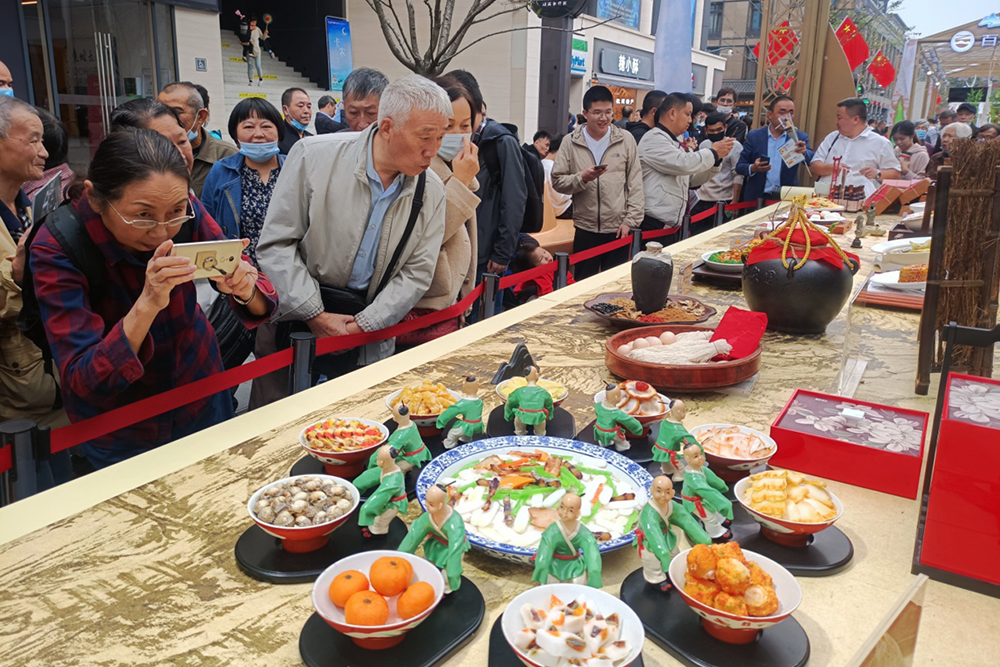
The institute is part of a larger academic and practical output. The school has authored 18 textbooks — two of which are designated as national planned teaching materials, and 16 co-developed with industry partners. It holds six patents in culinary technology. In 2025, the school signed a strategic partnership with the newly established Wenzhou Ou Cuisine Culinary Artisans Guild — a body of 109 veteran chefs led by 1989 alumnus Xiang Chaohui, recipient of the Zhejiang Artisan title and the Provincial May Day Labor Medal. The agreement spans talent development, heritage preservation, R&D innovation, and community service.
The city’s 2025–2027 policy blueprint calls for establishing an "Ou Cuisine Innovation Research Institute" — a joint venture uniting industry associations, vocational colleges, and leading restaurant groups to focus on modernizing traditional recipes, developing ready-to-cook meals, and formulating health-conscious dishes. This research does not remain buried in academic archives. It is actively being written into kitchen operating procedures, vocational curricula, and industry specifications — the three permanent anchors required if an oral tradition is to survive beyond the generation that currently cooks it.