

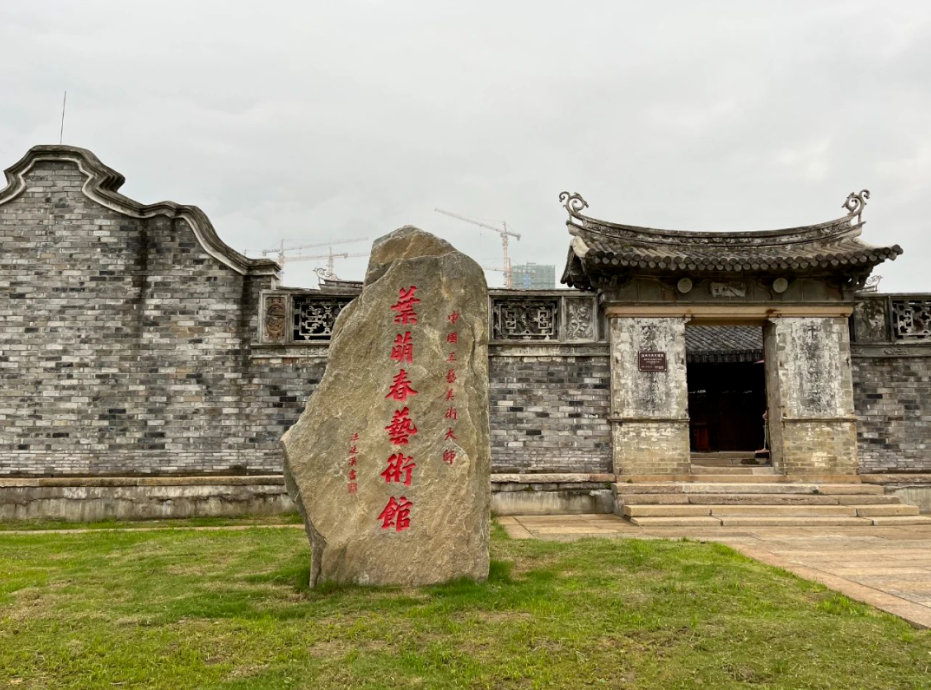
In Wenzhou, intangible cultural heritage is not something you read about. It is something you do — carve a boxwood figure, set wooden type, throw a clay pot, inlay a shell, craft yellow tea, extract a crystal from ore. Seven experience points, all from the official recommendation lists of Zhejiang and Wenzhou's culture and tourism departments, open their workshops to visitors and let them try with their own hands.
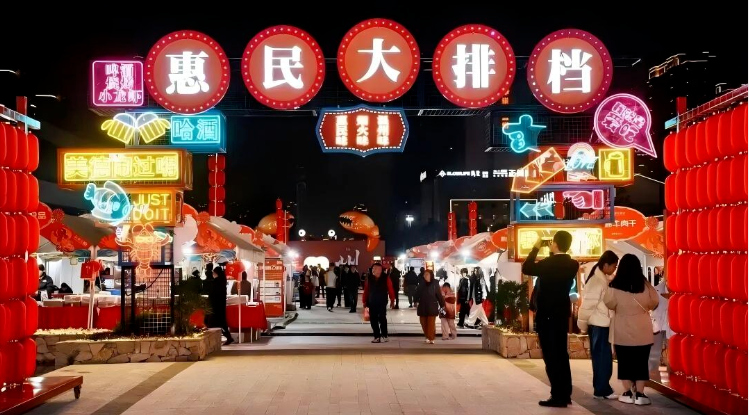
In Wenzhou, the day belongs to work and the night belongs to food. Six streets — from a centuries-old downtown district to a food-stall square at a light-rail station — carry the city's evening appetite. Walk them and you read how Wenzhou lives its nights: around history, around the river, around the neighbourhood, and around transit.
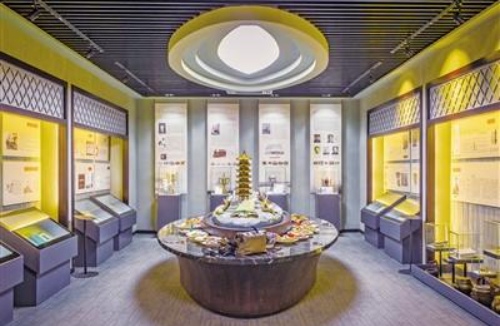
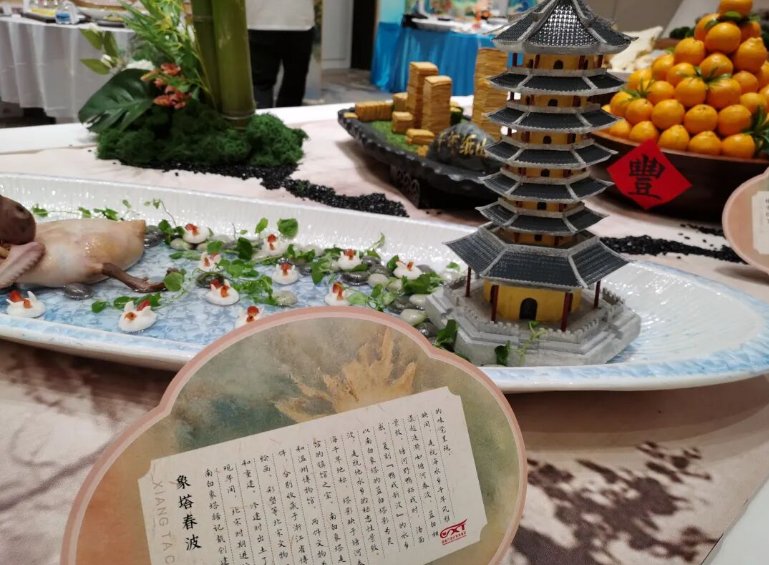
A city that cooks can also forget. Wenzhou keeps its food memory in three different spaces: a museum that archives the full history of Ou Cuisine, a village hall that turns imperial examination culture into a banquet, and a riverside district where heritage is on display while it is still being made. Together they show how the city remembers — on paper, on the table, and in the street.
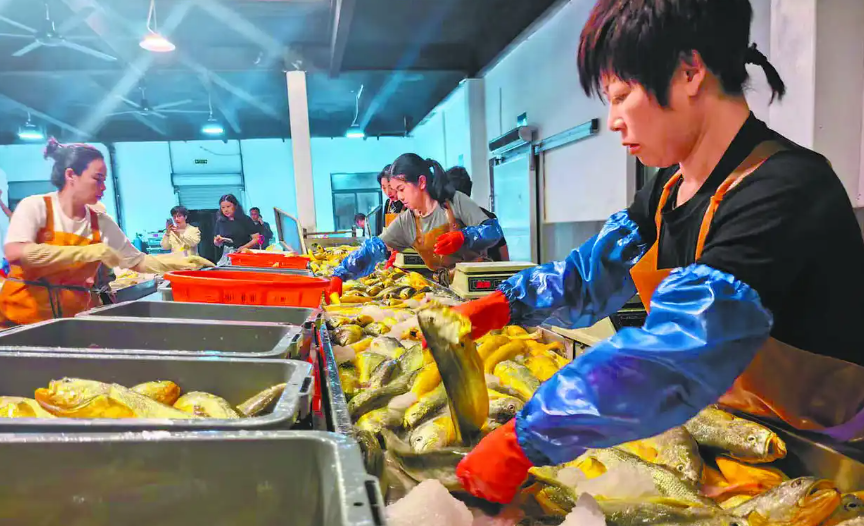
Ou Cuisine is built on freshness — but that freshness has a clear origin. It comes from six producing areas split between two worlds: the sea for fish and laver, and the mountains for yam, tea, and mandarin oranges. Each region has its own season, its own geography, and its own path to the dining table.
Wenzhou's food spreads across three geographies — the arcaded streets of the old trading town, a fishing island in the East China Sea, and a mountain village that produced imperial scholars. Three half-day or full-day trails follow those lines, and each opens a different door into the city. into the city.