

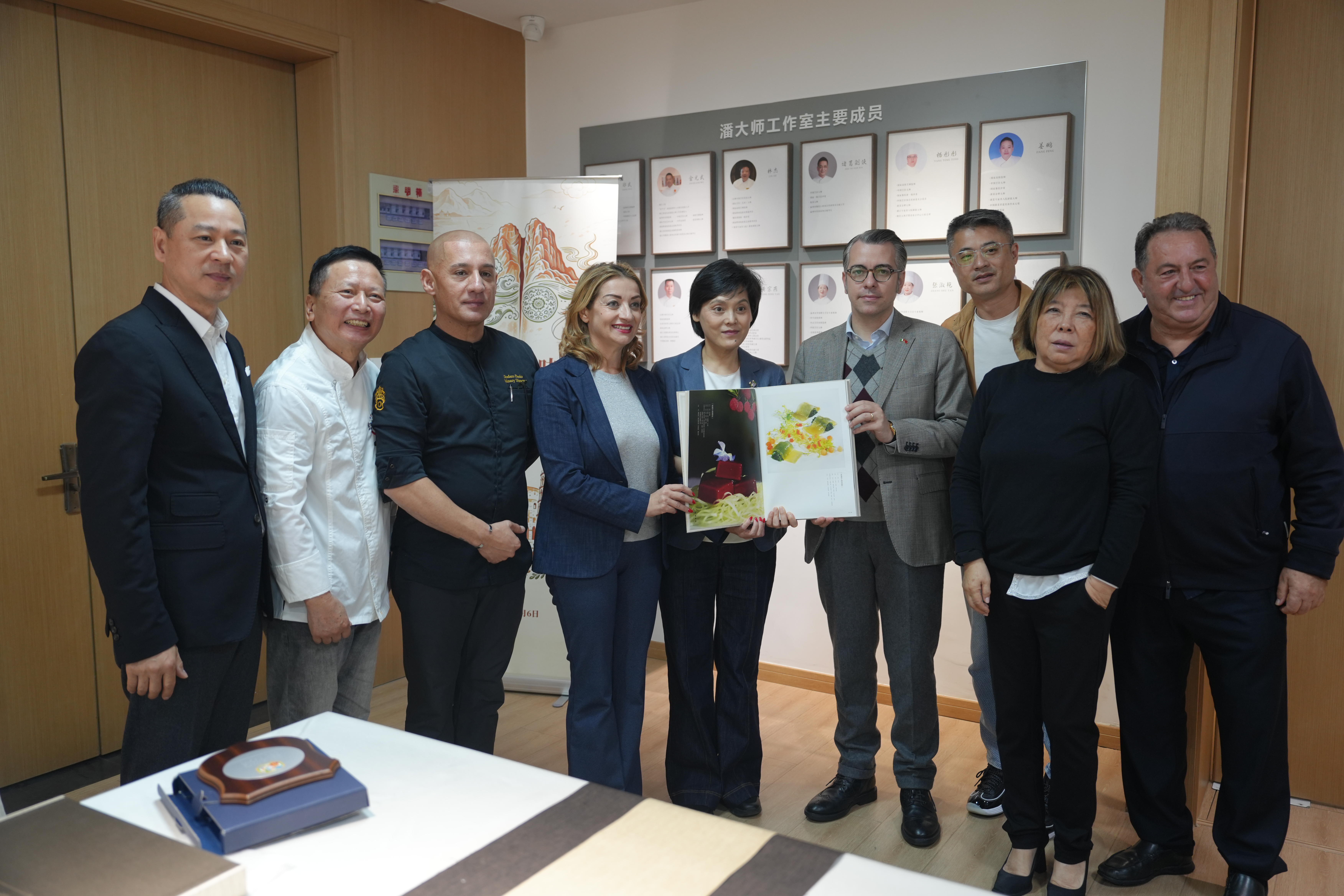
On November 6, Pierluigi Sanna, Deputy Mayor of Italy's Metropolitan City of Rome, led a delegation of representatives from the Rome government and the Wenzhou Chamber of Commerce and Industry in Italy on a visit to master chef Pan Xiaolin's studio.
How Can a Single Four-Season Pomelo Leverage Mountain-Sea Cultural Tourism? Wenzhou Vocational College of Science and Technology Team Builds the "Youjian Xiangyan" (Pomelos by Village Smoke) Brand to Empower Rural Revitalization
the competition received a total of 243 entries, and after review, 19 works won awards, including 1 first prize, 3 second prizes, 5 third prizes, and 10 excellence awards.
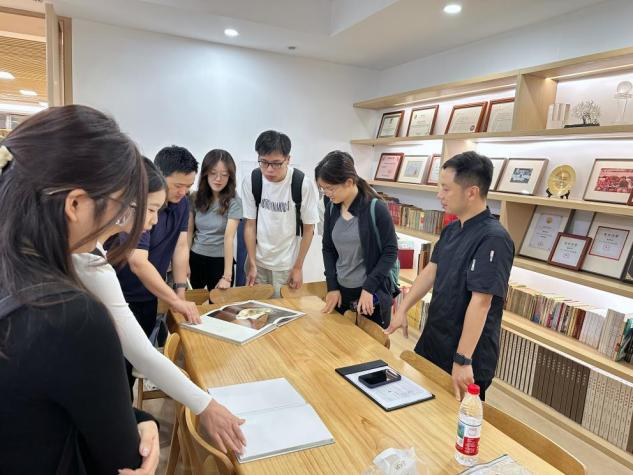
How can AI-powered short videos introduce Ou cuisine to more young people? On the morning of October 14, students taking part in the Wenzhou University Students’ Ou Cuisine AI Short Video Competition visited Wenzhou Overseas Chinese Vocational Secondary School for a field study of the city’s culinary heritage. Ye Zhiyong, a nationally certified senior technician in Chinese cooking and a master chef specializing in Ou cuisine, gave an on-site lesson on the cuisine’s history, flavors and cooking techniques. The visit was organized by Wenzhou University’s School of Innovation and Entrepreneurship.
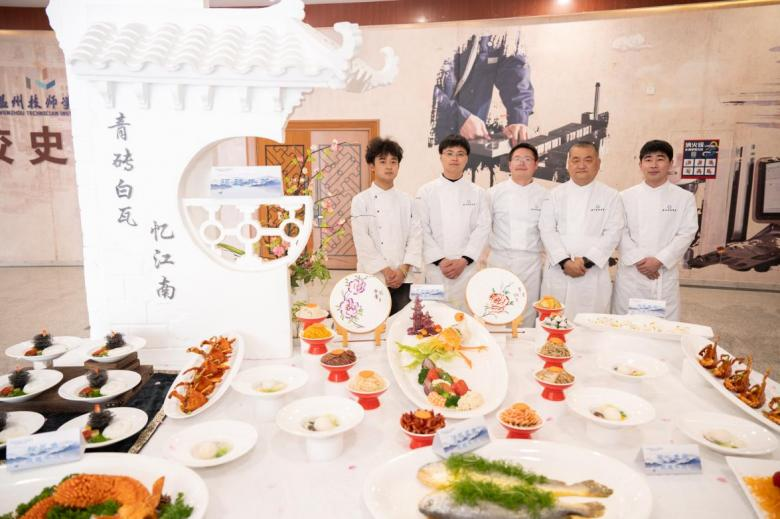
The question is not whether Ou Cuisine is still being taught. It is where, by whom, and what students actually do with their hands before they are allowed near a real stove. In Wenzhou today, the answer lies in a three-tiered pipeline — each tier aimed at a different kind of cook.
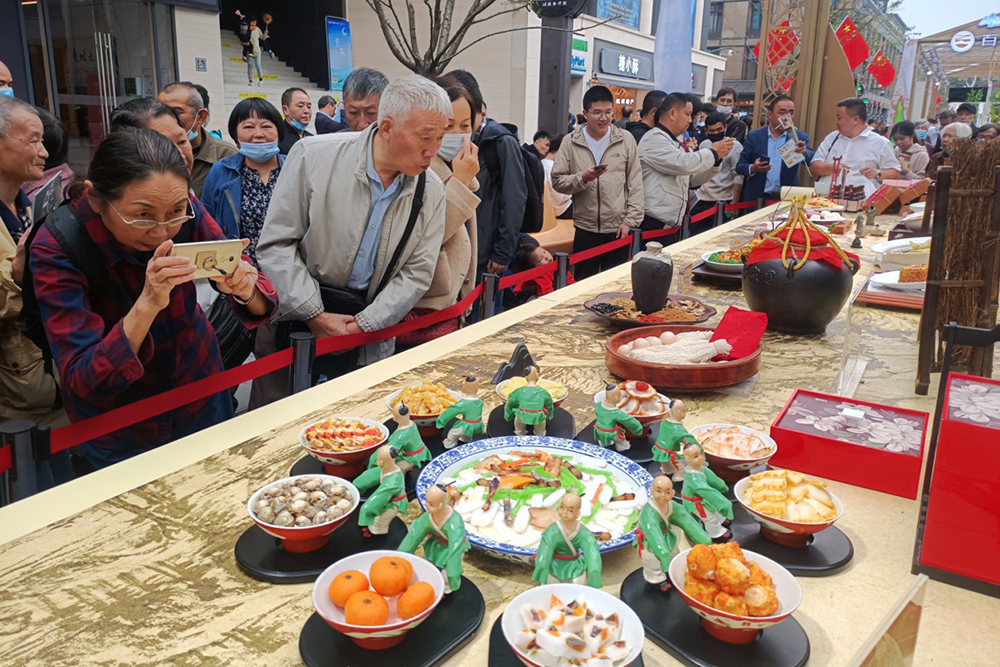
For most of its history, Ou Cuisine was transmitted the way a grandmother teaches a grandchild: by hand, by taste, without a written recipe. The food existed. The documentation did not. Three kinds of research output have tried to fix that.
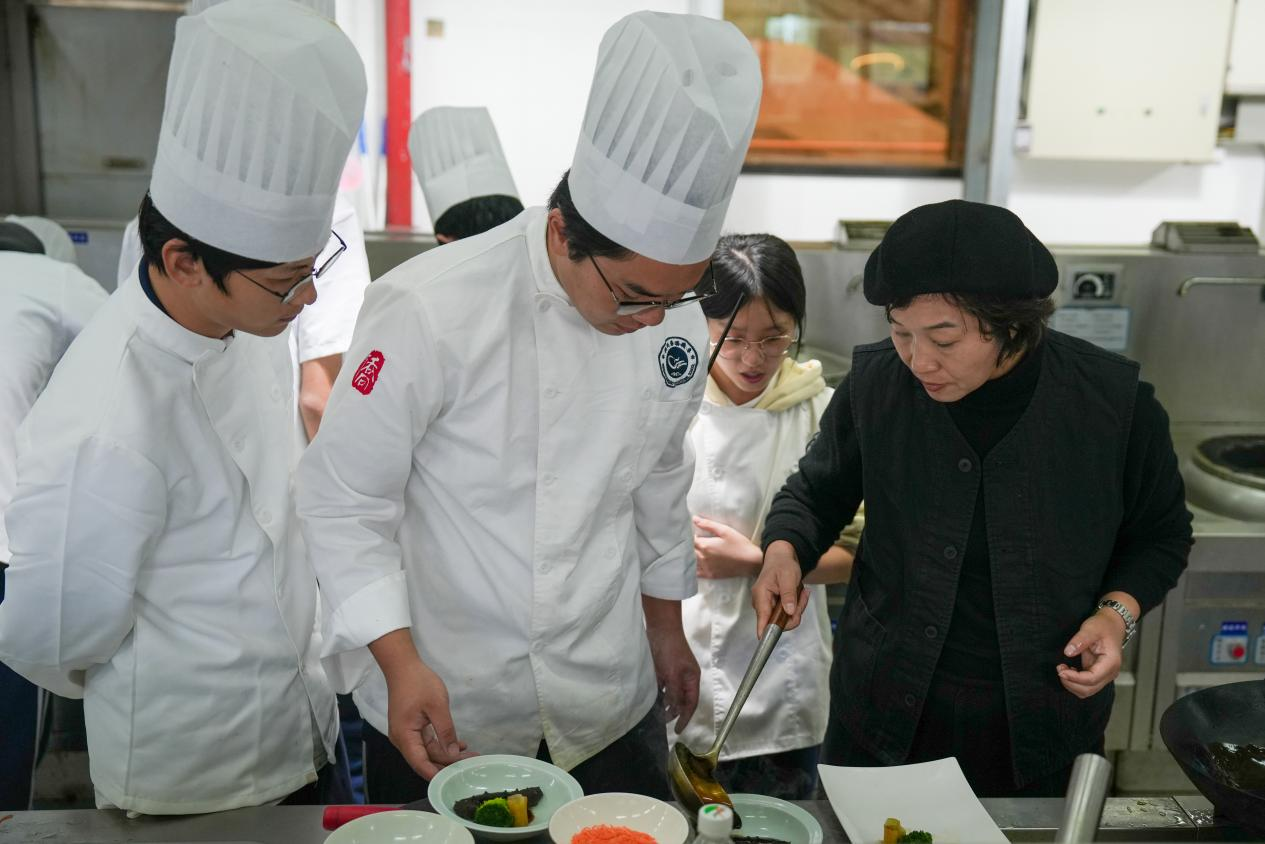
The gap between a cooking school and a commercial kitchen is not distance. It is the difference between making a dish for a grade and making it for someone who pays. In Wenzhou, three schools have tried to close that gap in three very different ways.
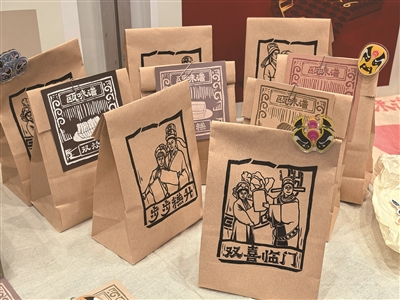
The question is not whether Wenzhou has a culinary culture worth commercializing— it has been selling duck tongues and smoked chicken for decades. The real question is what happens when a city decides that a snack bag can carry a port’s history, a piece of pastry can showcase an opera mask, and a teacup can embody a thousand-year-old kiln.
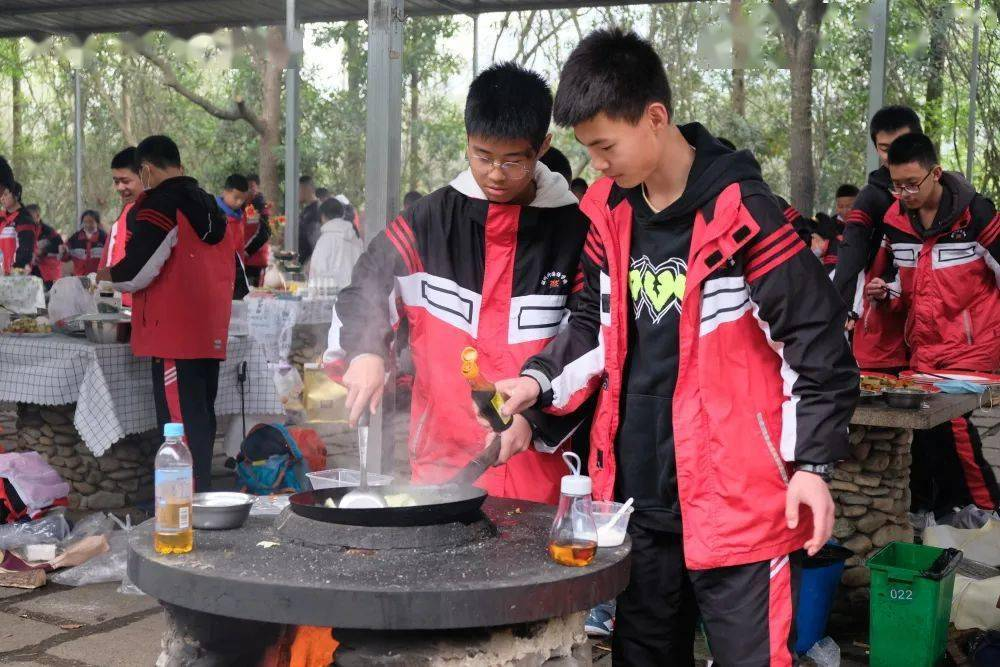
In Wenzhou, kids learn what their city tastes like in a classroom, at a market, or beside a woman who spent decades cooking aboard fishing boats. The question is not whether food education exists. It is who delivers it, and where it happens.
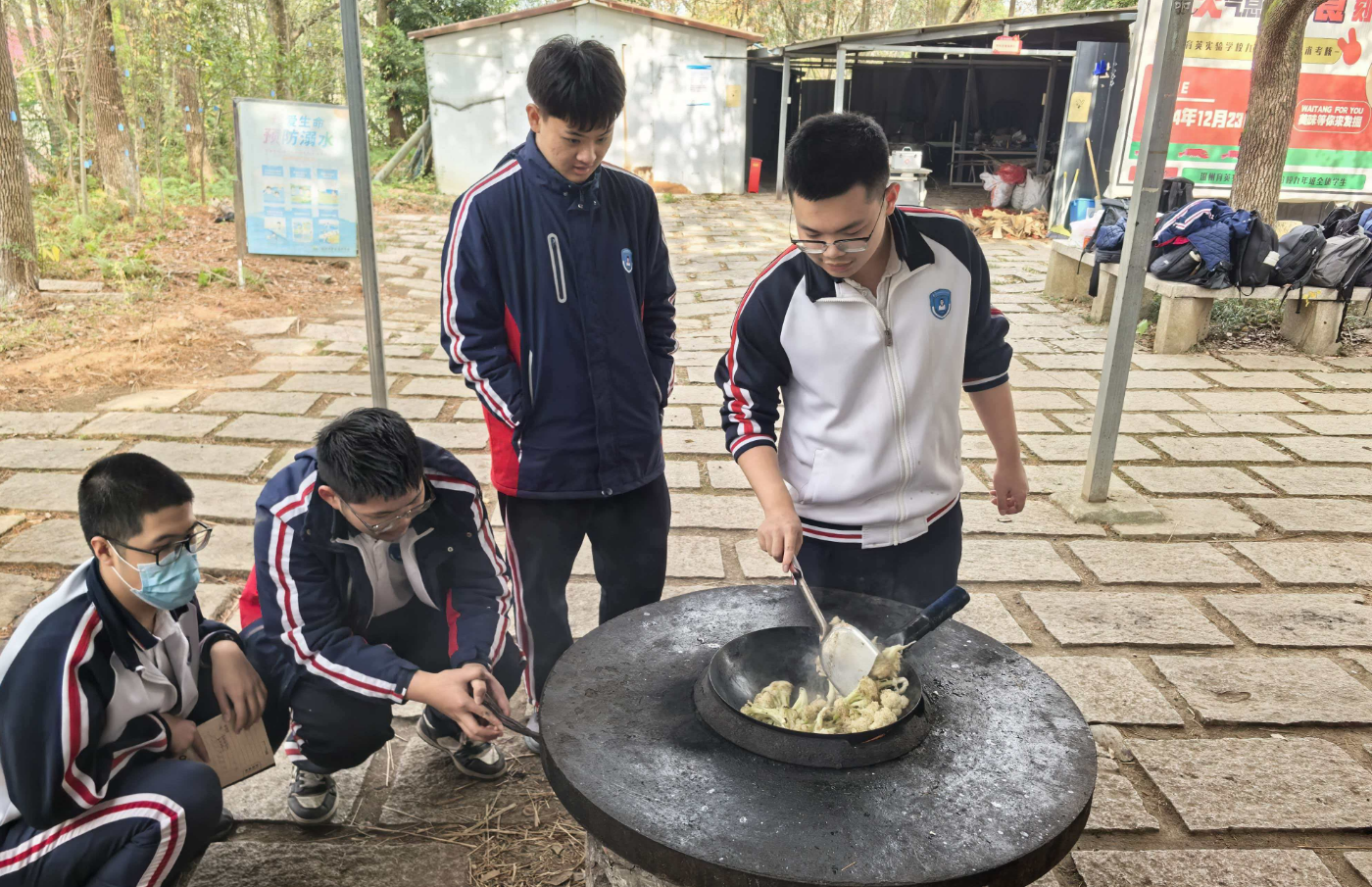
In Wenzhou, a child can learn what their city tastes like in a classroom, in a market, or standing at a stove next to a woman who has cooked on fishing boats for decades. The question is not whether food education exists. It is who teaches it, and where the classroom is.