

A feast of Dongtou seafood medicinal dishes embodies the food-therapy wisdom passed down through generations of fishing families. Recently, an event showcasing the preparation, tasting and exchange of seafood medicinal dishes was held at Haiyan Restaurant in Dongtou. Zhou Xiong, a representative inheritor of the intangible cultural heritage of Ou cuisine craftsmanship in Zhejiang Province; Qiu Guoying, a scholar of Dongtou folklore; Liu Qiang, Secretary-General of the Dongtou Catering Association; and Ou cuisine master Ding Chili attended the tasting and discussed the preservation and cultural development of island cuisine.
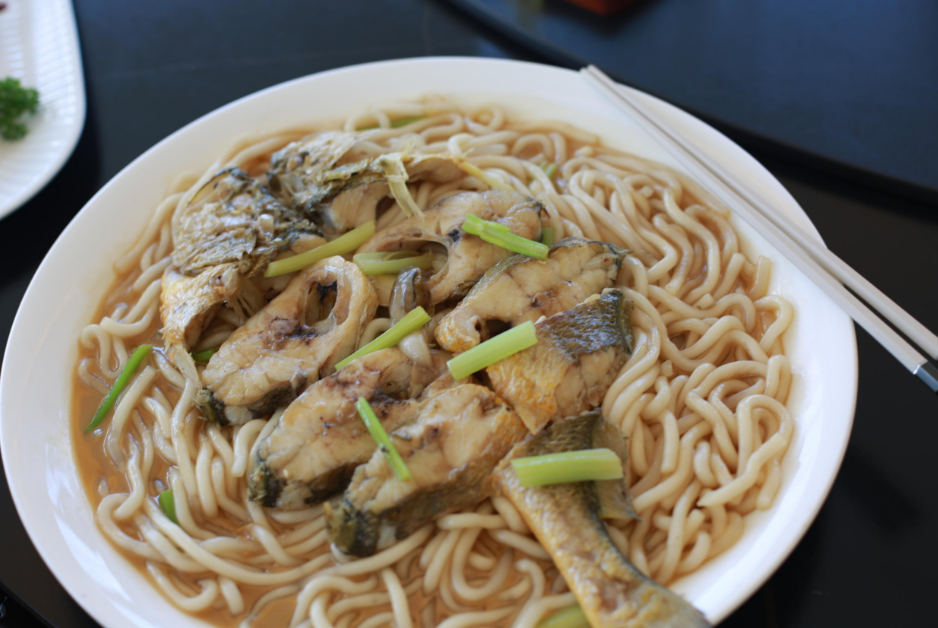
Living by the sea, the people of Dongtou have long understood how to use seafood to nourish the body. Yellow Croaker with Potato Noodles is an excellent staple for strengthening the spleen and replenishing the body. Known as “China’s Hometown of Ecological Large Yellow Croaker”, Luxi Island produces premium large yellow croaker, a local treasure. The fish is fried until golden, while the potato noodles absorb its rich juices. The freshness of the sea blends ingeniously with an everyday staple, with flavour at its heart and nourishment as its essence.
Shark Dried Fish Stir-fried with Rapeseed Oil and Ginger brings the warmth of everyday life in Dongtou’s fishing villages to the table. Traditional rapeseed oil infused with ginger is combined with a modern typhoon-shelter-style technique to stir-fry dried shark. The fragrance of ginger mingles with the fish’s salty, pleasantly chewy texture. Dongtou folklore scholar Qiu Guoying explained the story behind the dish: “In the past, fishing families would prepare rapeseed oil and ginger especially for women during the confinement period after childbirth. It was used to cook dried fish and make snacks for new mothers, helping to replenish their strength. Over time, it developed into a signature Dongtou flavour.”
For a meeting of flavours from the mountains and the sea, look no further than Stingray Braised with Bitter Melon. Stingray is tender and its bones are soft; folk tradition holds that it helps strengthen the bones. In a clay pot, pieces of stingray are stir-fried and then simmered with bitter melon. The rich flavour of the fish meets the clean bitterness of the melon, while pickled vegetables add a savoury, tangy lift. Each mouthful reveals the distinctive layers of island cuisine.
Barnacle Scrambled with Eggs may look like a simple home-style dish, but its flavour is anything but ordinary. Barnacles are a signature small seafood of Dongtou, where they are known in the local dialect as “cu zui”. They grow on rocky reefs in the intertidal zone, and harvesting them is extremely dangerous. They were even offered as tribute during the Ming dynasty. The meat is tender and delicious when simply boiled; stir-frying it with eggs is an inventive method developed by fishing families on the islands. The aroma of egg envelops the shellfish’s sweet freshness, making the dish popular with today’s visitors who appreciate light, nourishing food.
Cuttlefish, Lotus Root and Lotus Seed Pork Rib Soup combines fresh cuttlefish, crisp lotus root and soft, moist lotus seeds in a nourishing broth that reflects the fisherfolk’s approach to food therapy. Dried Pufferfish Stewed with Pork Trotter uses sun-dried pufferfish, known locally as “wulang xiang”, prepared by fishermen and slowly simmered with collagen-rich pork trotter, making it a warming autumn and winter dish for fishing families. Other offerings include Bombay Duck Fish Ball Soup, Spanish Mackerel Braised in a Clay Pot, Crab Meat with Astragalus and Chinese Angelica, Oyster and Millet Congee, and Dry-fried Sea Anemone. These twelve seafood dishes for nourishment are all gifts from the East China Sea.
According to Qiu Guoying, this menu, prepared with the sincerity of fishing families, gives each dish its own nourishing purpose. It brings the principles of food therapy into everyday seafood meals and reflects island culinary traditions passed down through the generations.
“Come to Dongtou for a seafood medicinal feast. Amid the freshness of the sea, you can discover the way of life embraced by the people of the hundred islands: living in harmony with nature and making food part of everyday nourishment,” said Zhou Xiong. He explained that the ancestors of Dongtou’s fishing families made their living from the sea, gathering its many treasures and gradually developing a distinctive island tradition of food therapy.
“In the past, visitors came to Dongtou simply to enjoy its seafood. Today, they are paying more attention to nourishment through food,” said Liu Qiang. Dongtou Seafood Medicinal Cuisine was added to the municipal Representative List of Intangible Cultural Heritage in 2008. In recent years, local authorities have continued to support research into and promote this cuisine. Many restaurants, eateries and informal food stalls now prepare these dishes, adding new appeal to the island’s culinary tourism.