

Mid-afternoon, and the phone keeps ringing in the hall of the Zhishan Kitchen-Lady farmhouse restaurant. Someone wants to book a table for tonight, another for the weekend. Between calls, Lin Congcong rattles off work orders: 1-kilogram packs of preserved mustard greens, 1-kilogram packs of shiitake mushrooms, eight boxes of candied jujubes — and some brown sugar, boxed and loaded for a run into downtown Wenzhou. Last year, one of her ventures, the Zhishan Local Produce, sold products worth more than 1.4 million yuan.
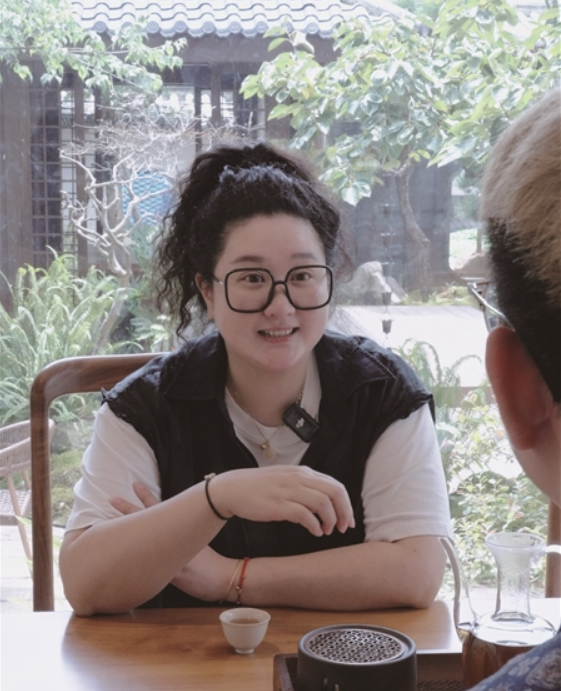
The road here began in a city far away. In 2010, a final-year student with a 300,000-yuan loan from her mother, Lin Congcong plunged into commercial photography in Wenzhou. Everyone else was shooting traditional catalogues; she sensed the rise of the e-commerce boom and built a studio selling product photography for the new online shops. Early days were hard — she sold her flip phone to make payroll and nursed the business through the end of the year on 200 yuan. The grind paid off. Within two years her studio led the city, with nine crews and twenty-two photographers supplying poster shoots for Wenzhou's shoe and apparel brands.
Then came coffee. Before the café wave had fully reached the city, she opened the first W Coffee in a converted riverside mill, serving coffee and light meals downstairs and using the upstairs to host clients. It was an instant hit — a single day could bring in more than 10,000 yuan. One café grew into an empire of seventeen, plus flower shops and a bar. Then her body rebelled against the pace, and she was forced to step back. When she recovered, she turned her back on the urban run and headed into the hills of Zeya. "I've always been late to my rebellious phase," she says. "Other people follow the script; I write my own."
In 2022 she converted an abandoned mineral-water factory in Tangzhai village into KAKA Youth Community?Laowang’s Home. "The trendiest concept with the most down-to-earth name — so people remember it," she says of her first move into the countryside. The community gathers young people and old. She opened the space free of charge to university exhibitions, building partnerships with four colleges — and invited the elders left behind in the village to paint cups. A 78-year-old woman who cannot write her own name produces cups in a plain, lovely, ancient style. Lin buys them and puts them on sale: "It gives them a chance to be with people, and a little extra income." She refined the study-tour classes — picture-book plays, potato digging, a photographer trailing the families and each child leaving with a nine-grid photo set. Demand ran hot; sessions often sold out within minutes of going live.
Project two, the Zeya Little-Dome Sports Park, rose on a former dumping ground in Longxi: a multi-sport hall for basketball, tennis and badminton, ringed by a coffee bar and a creative-markets strip. "Husband can shoot hoops, wife sips coffee, child does homework — this is what a happy family looks like," she says.
Project three was the farmhouse. When Lin took over the rural restaurant called Zhishan Kitchen-Lady, its rating stood at 2.7 out of 5. Now it sits at 4.6. "What does mama's cooking taste like? Like freshness — a mother always gives her child the best," she says. Her positioning is "genuinely local, genuinely fresh": the fish is caught that day, the pan-fried brine-tofu slices made that same morning, the vegetables cut from the garden behind. Guests come to eat the freshest thing Zeya's hills can offer — and to carry some home. That afternoon, several tables ordered oil-glutinous-rice dumplings, just as auntie Xiuying, who makes them, had a day off. "On her days off she still works — she grows vegetables on a nearby plot and sells them to the house," Lin says, tying on an apron. "Oil-glutinous-rice dumplings must be made fresh; leave them and the bounce goes." Last autumn, this family-run house of under 200 square meters became one of Zeya's most popular places. Short-handed, she waited tables and cleaned herself.
Her fourth venture, Zhishan Local Produce, addresses the rough, unrefined packaging long associated with mountain-sourced farm goods. Working with young designers, she revamps packaging aesthetics and turns Zeya’s sun-dried sweet-potato slices, farmhouse-cured mustard greens and eco-raised soy-sauce ducks into desirable gift sets ready for urban markets. Sales hit 300,000 yuan in 2024 and surged past 1.4 million yuan last year.
The years in Zeya have also changed the village's everyday life. Delivery used to lag badly in Tangzhai — the postal service came twice or three times a week and couriers rarely entered at all, so villagers could barely buy online or sell their produce outward. As Zhishan Local Produce's orders climbed, Lin approached the courier companies and signed guaranteed-volume contracts; with steady shipments, the logistics wall fell. Now both SF Express and the post office arrive every day, closing the last mile of countryside delivery, and online payment and shopping have moved into more farmhouses. She also started a weekend market in the open ground by the youth community. Villagers showed up to sell. "One auntie made 1,134 yuan on her first day," Lin remembers. "The next day she came back — changed. She'd used the money to get her hair curled."
In January this year she was hired as Zeya's rural CEO. In March she began running her own video account at her own expense, filming the valley's scenery, food and produce for local vendors free of charge. A stranger once added her just to say: "What you're doing is good — I hope you keep at it." People say she changed Zeya. She says, "I just let the things that should be seen be seen."
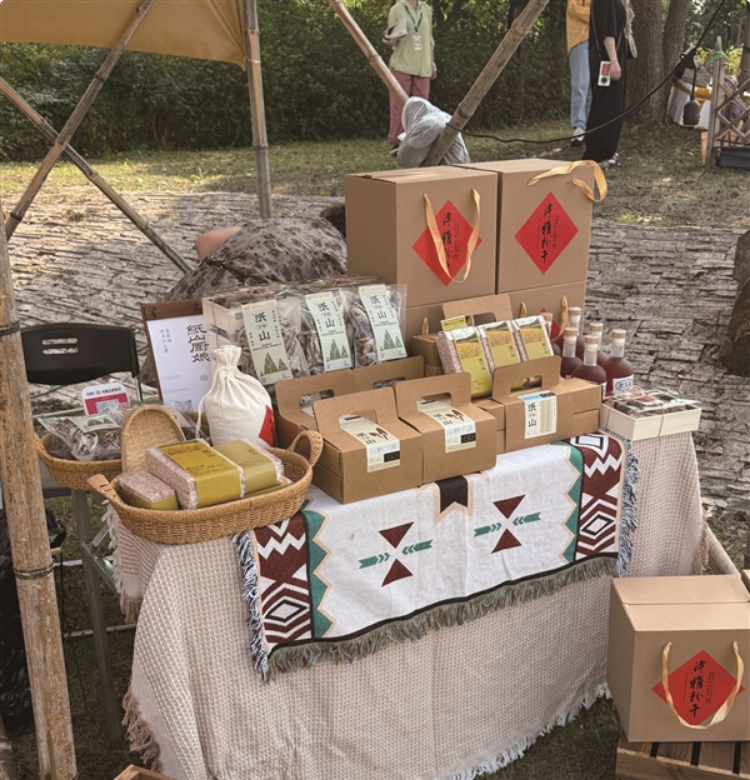
Once she created only for self-growth and achievement. Rooted in Zeya, she says, she has learned to think of others first — what does the valley need, what do the villagers need? From a city entrepreneur chasing traffic and attention to a rural CEO helping a mountain community thrive, Lin Congcong has moved beyond the usual logic of urban business. She has taken the scripts written by others and rewritten them in her own way.