

At its 20th-anniversary event, a Wenzhou chefs' club paired a new cookbook with three exhibitions and a dinner shaped by its members.
The third volume of *Chinese Ou Cuisine* was launched at the Hilton Wenzhou on October 17. The Wenzhou Ou Cuisine Culinary Club also marked its 20th anniversary and hosted a themed tasting dinner, “Tasting Ou: An Ou Cuisine Banquet.” Around 180 people attended, including nationally known chefs, food critics, restaurant-industry figures, media representatives, and club members.
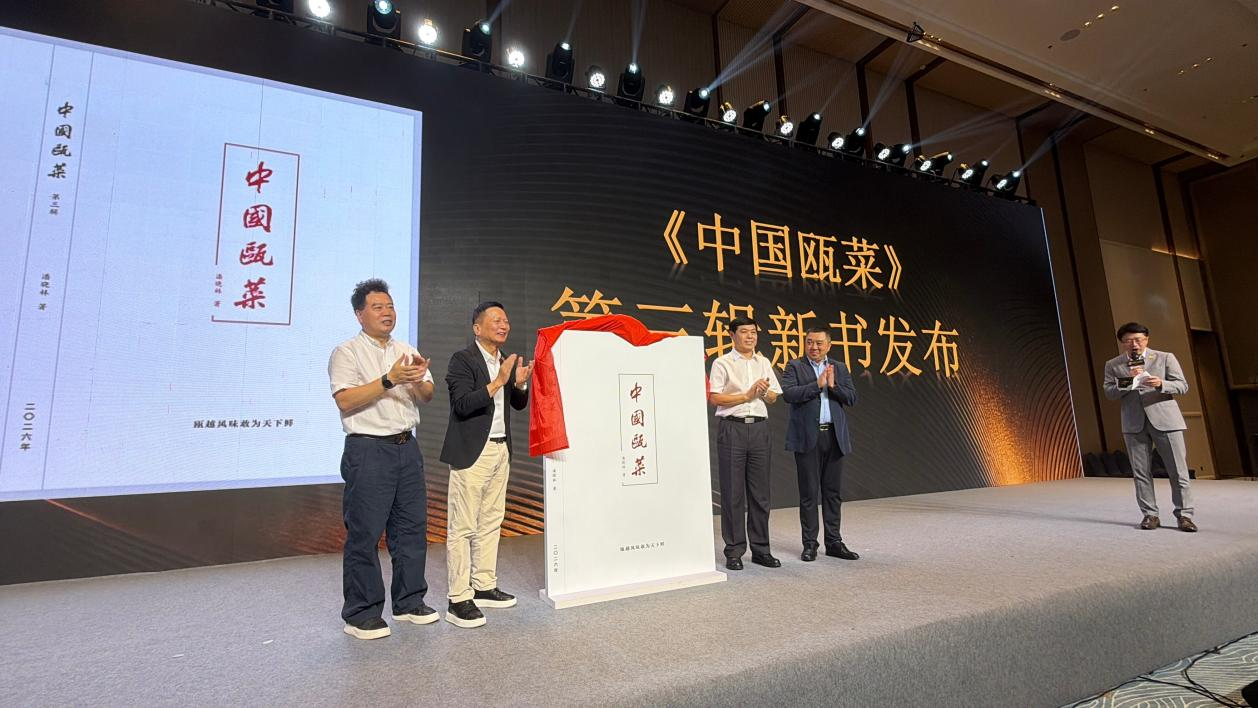
Pan Xiaolin leads the club, which brings together about a hundred executive chefs and head chefs from Wenzhou's high-end hotels and established restaurant companies. Its guiding principle for the past 20 years has been to inherit without simply following convention and to innovate without discarding the old.
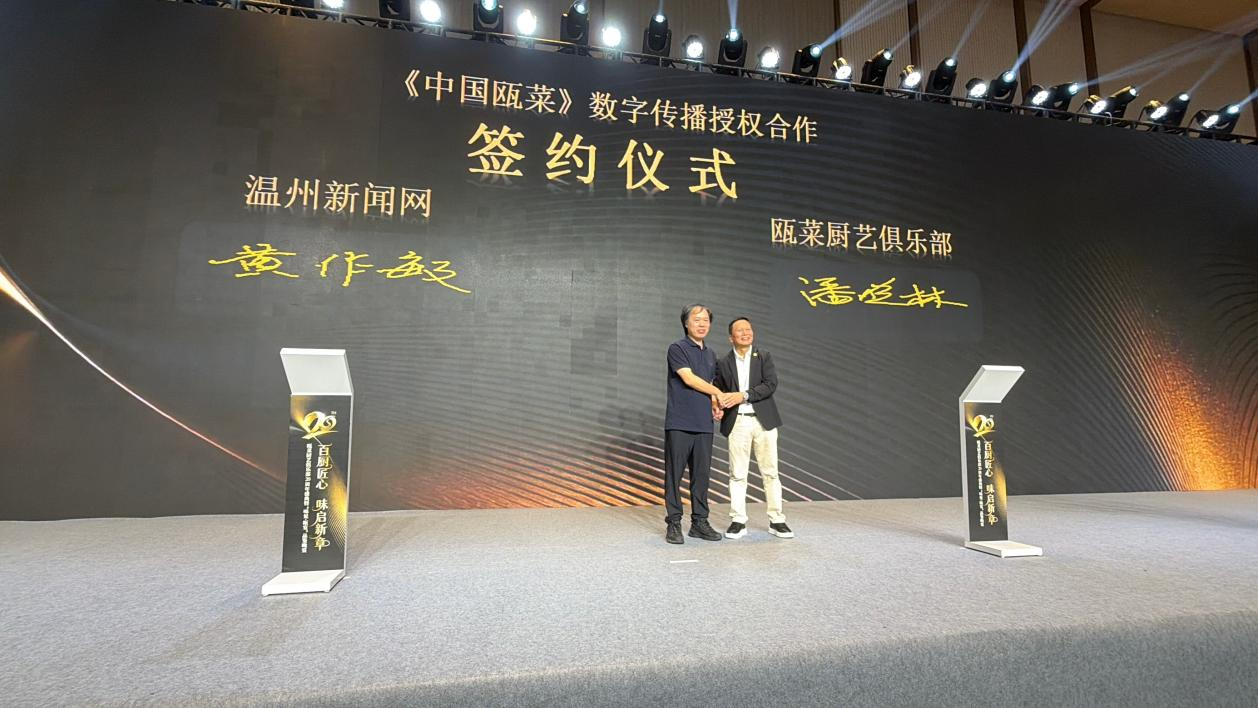
The record now extends beyond the printed page. At the event, Wenzhou News Network signed a digital distribution licensing agreement with Pan, the book's author and an Ou cuisine expert. The agreement covers cultural material on Ou cuisine, photographs of dishes, and documentation of cooking techniques.
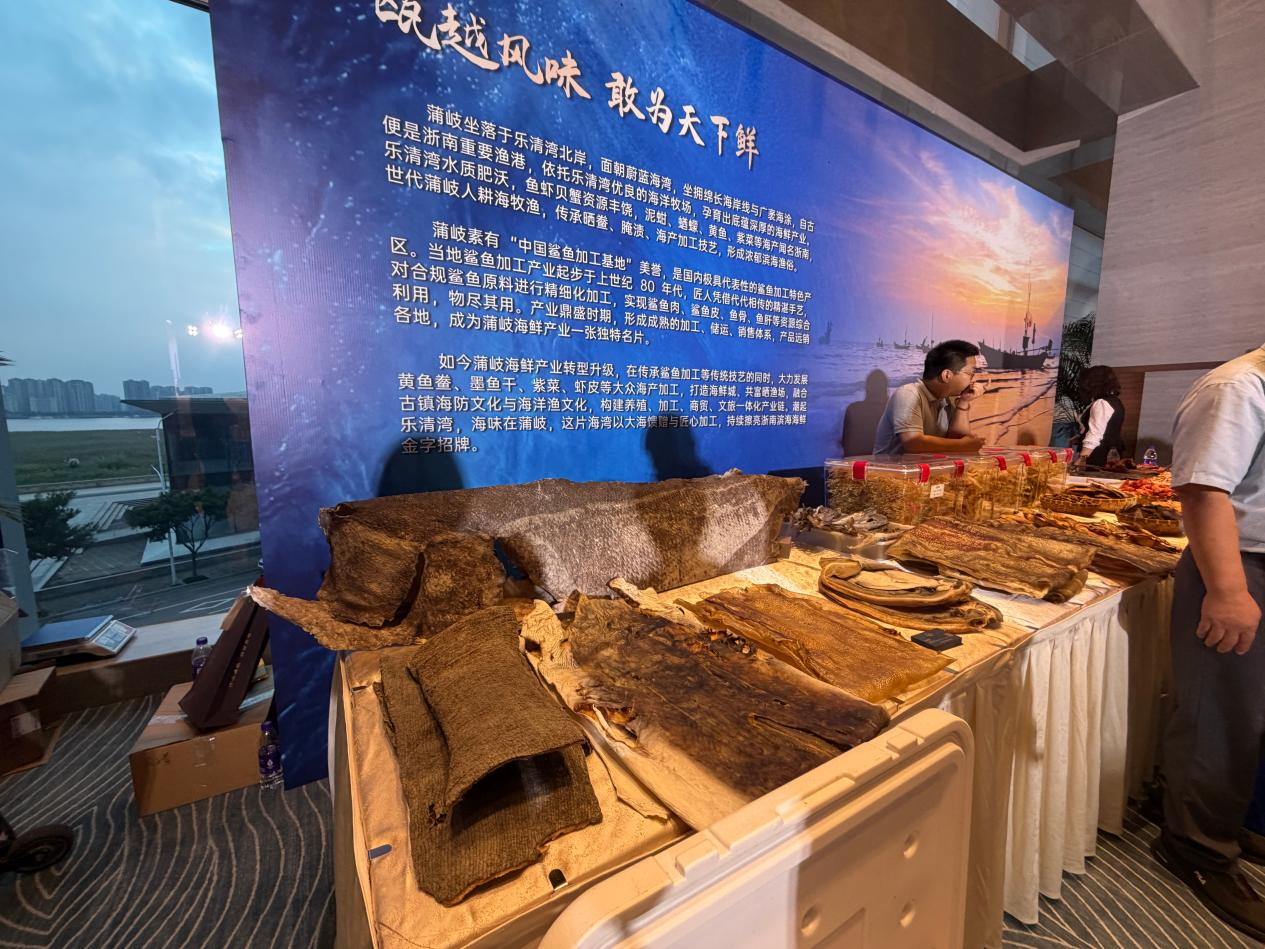
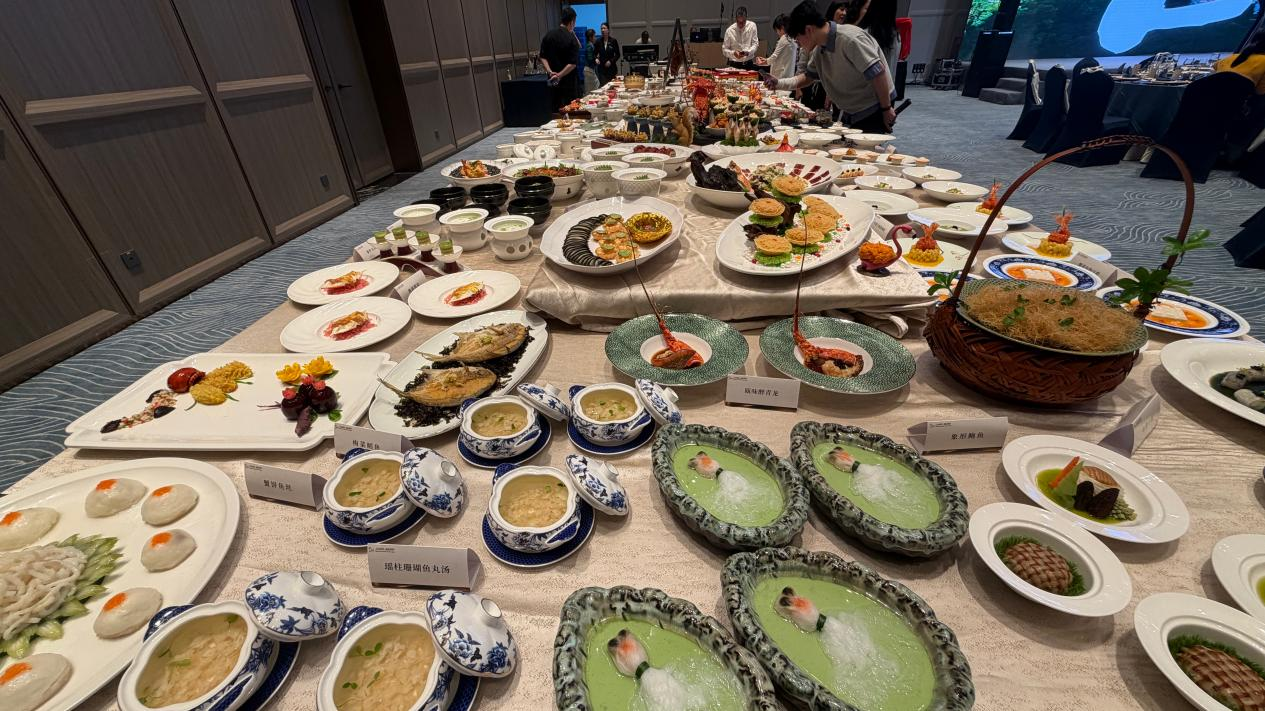
Three small exhibitions in the foyer placed the launch within a longer record. One traced the club's two decades through the publication history of *Chinese Ou Cuisine*, members' trophies from domestic and international competitions, and accounts of Pan and other leading members passing on their craft. A second displayed coastal fish, freshwater produce, local farm products, and seasonings from the Ou River, the East China Sea, and southern Zhejiang. The third presented creative Ou cuisine dishes by executive chefs and head chefs from Wenzhou dining and hospitality establishments.
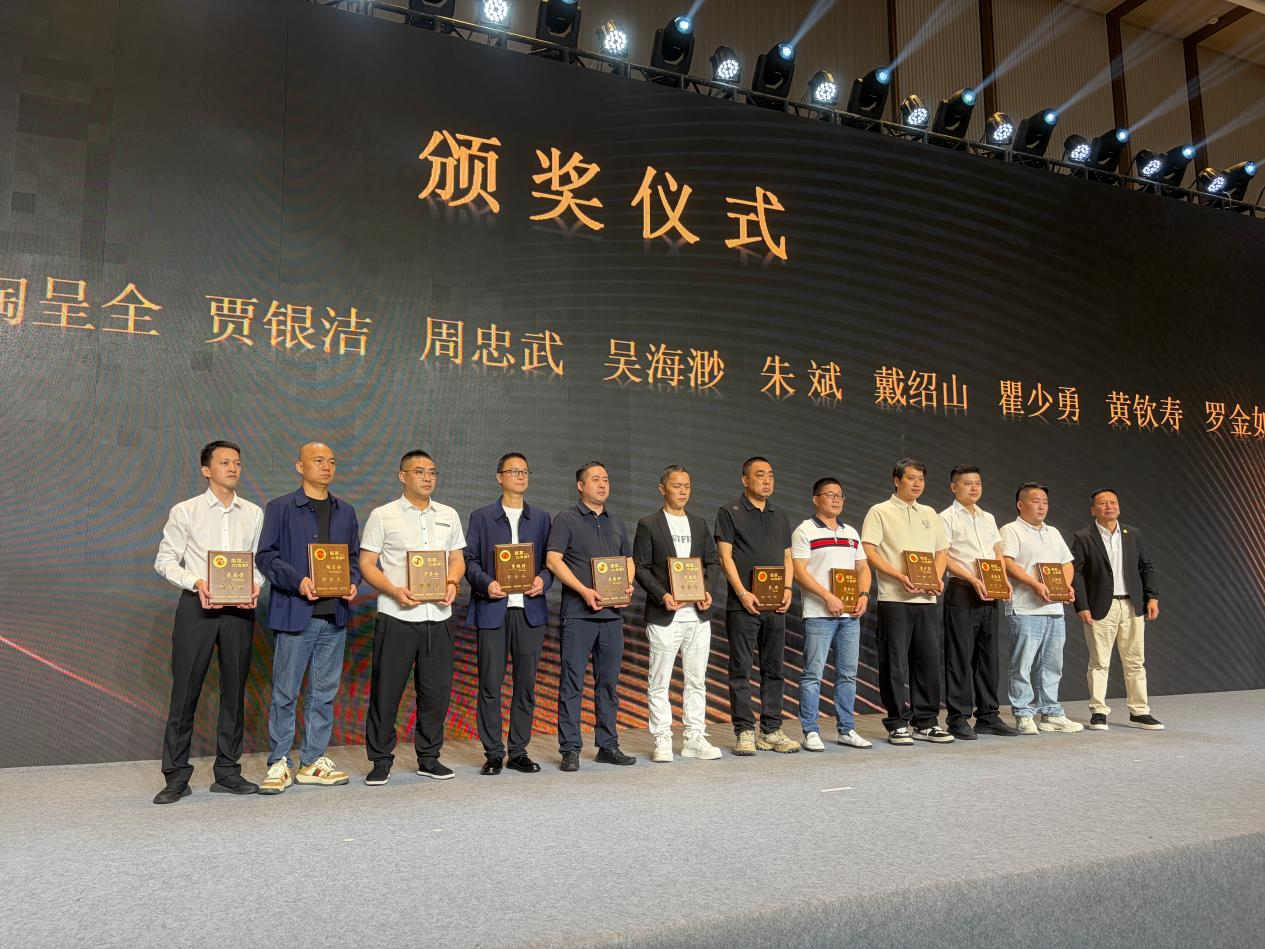
The anniversary program also paid tribute to veteran members who had contributed to the club and to chefs who had achieved results in national competitions.
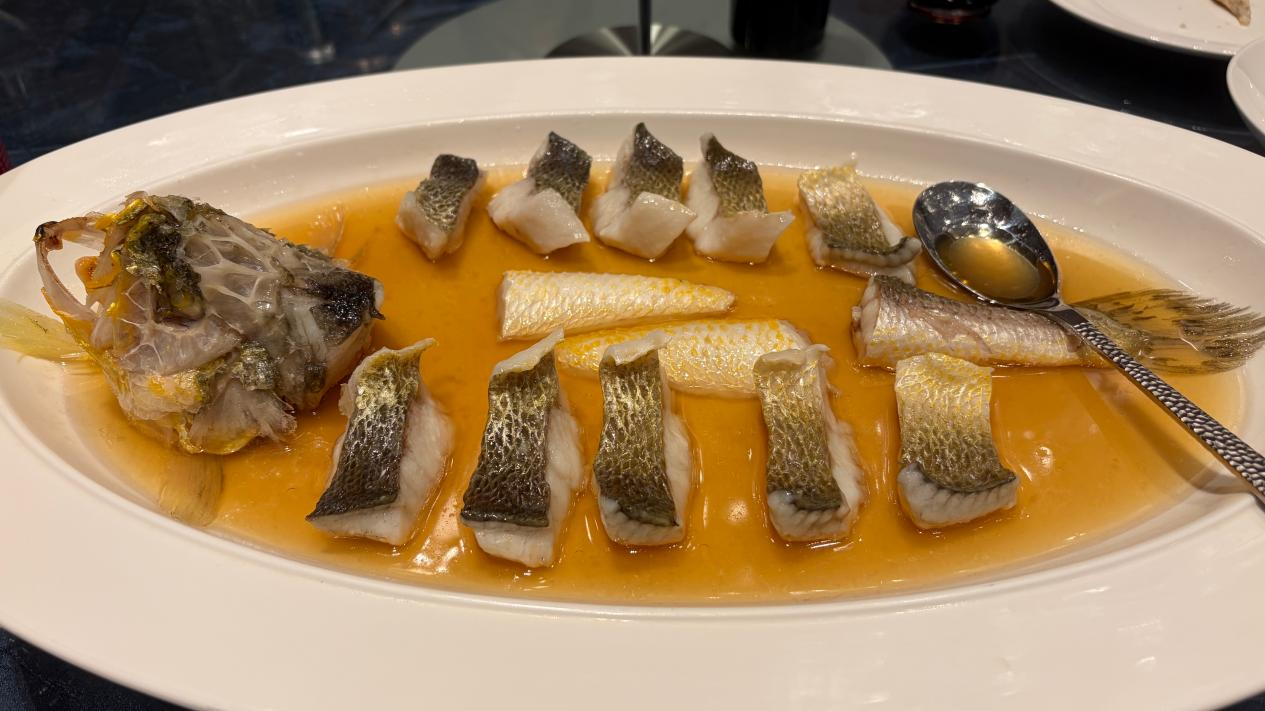
That evening, Pan led the “Tasting Ou” banquet, which brought together ideas from the club's chefs. The menu used mountain and coastal ingredients from southern Zhejiang, retained Ou cuisine's light use of oil and thickening and its clean, delicate umami profile, and combined traditional curing and marinating techniques with contemporary cooking and plating.