

Why did an industry conference about fine dining choose Wenzhou — and what, beneath its signature seafood freshness, gives Ou Cuisine its claim to go from "Dare to be the freshest" to "Dare to be the foremost"?
Wenzhou offers a distinctive local cuisine, rich mountain-and-sea produce and extensive connections; behind that cuisine stands a craft passed down through generations — Ou Cuisine, one of Zhejiang's four great cooking styles, whose intangible cultural heritage bearers and workshop network now back the city's bid for the Creative City of Gastronomy.
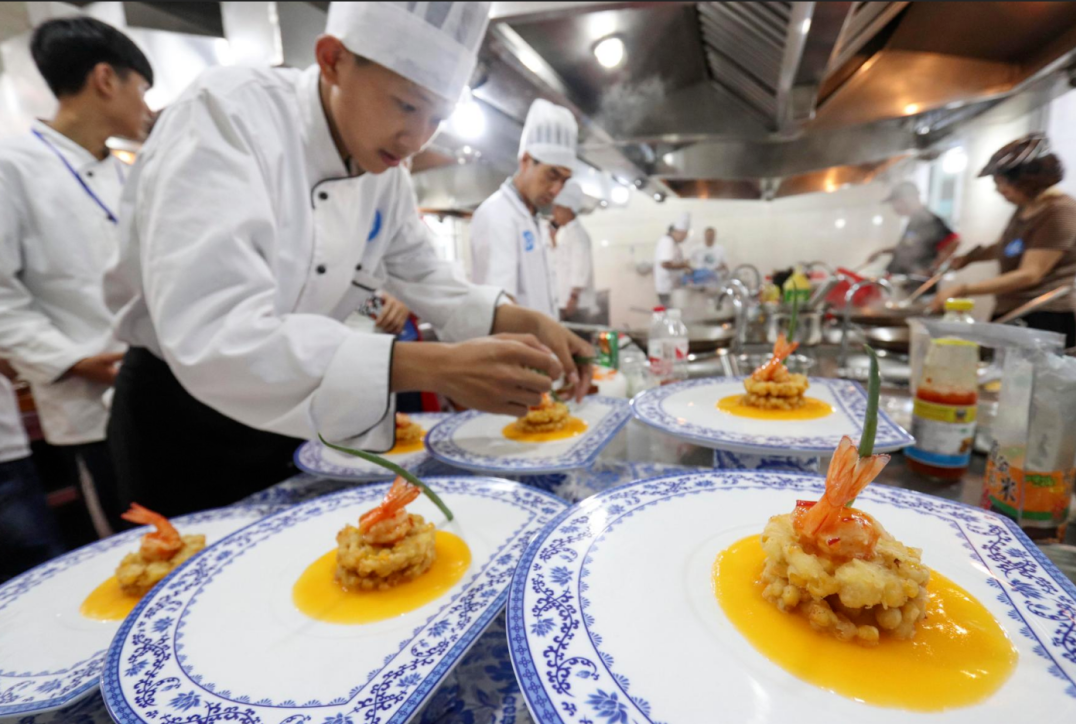
A homecoming of fine-dining attention. The conference, first launched by Meituan in 2023 as an annual celebration of the Black Pearl Restaurant Guide, extended this year beyond fine dining to mass-market meals, chain brands and local restaurants. More than 800 industry professionals gathered. On why Wenzhou, Tang Yan, Meituan's head of high-end dining, put it plainly: "Wenzhou has its own local cuisine, abundant mountain-and-sea produce, and extensive personal networks."
The craft behind the cuisine. Ou Cuisine already sits on Zhejiang's provincial intangible cultural heritage list and is counted among the province's four great classic cuisines. Its cooking leans heavily on seafood, favors light oil and thin gravy, prizes knife work, and aims at flavors that are clear, fresh, elegant and never insipid. More than 250 dishes have been systematized, and 46 celebrated ones are now recorded in China Recipe Collection — each carrying the seasonal harvests of sea and mountain across the year, each bearing the craftsmanship of its inheritors.
Heritage kept alive in kitchens and classrooms. As Wenzhou moves forward with its bid for the UNESCO Creative City of Gastronomy, Lucheng District — the home ground of the craft — has seven inheritors at provincial, municipal and district levels, two heritage bases and three heritage workshops. The inheritors' ranks, led by Zhou Xiong, a provincial representative bearer, have long worked to promote the technique. "Wenzhou cuisine should hold to its authentic self," says Chen Jian, manager of Lucheng's Hongou Restaurant, "and take the craft fully to its end — that's how it keeps its place amid the wave of culinary fusion." The craft is also entering classrooms: Wenzhou Technician College has built an Ou Cuisine museum and heritage studios, folding intangible heritage into skills courses and a "Wenzhou Cuisine Masters Class," in a dual-track model that cultivates both technical proficiency and heritage awareness.
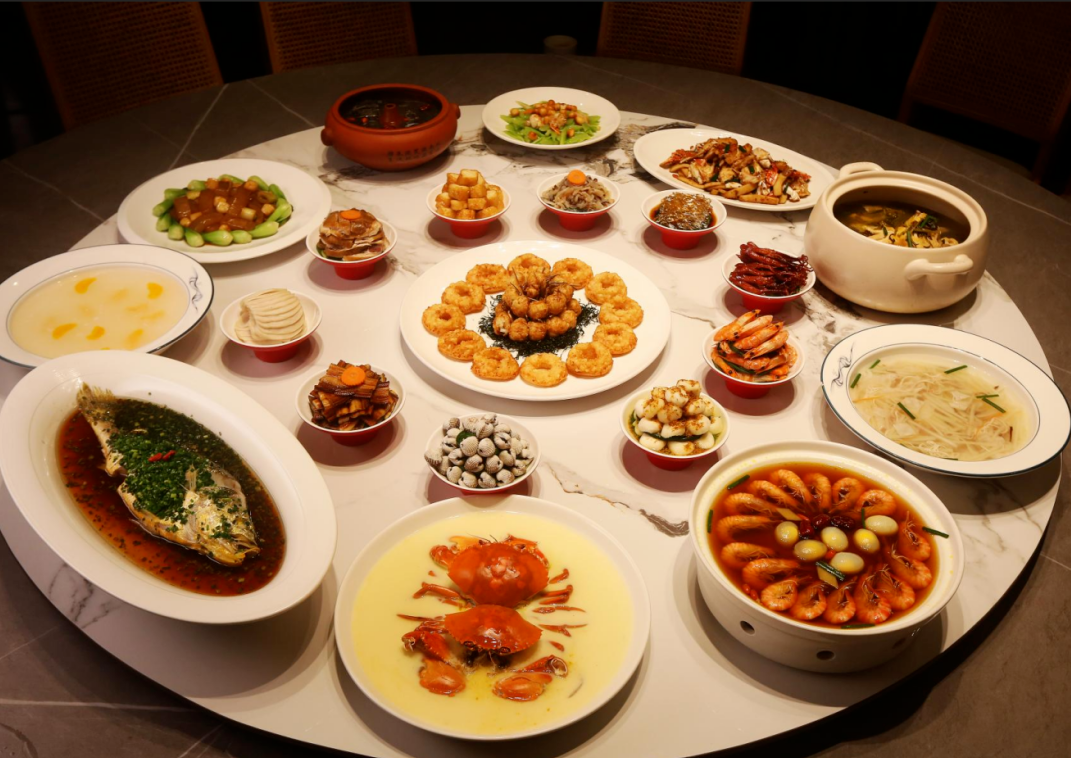
Industry voices offer a forward path: build flagship restaurant groups and spread Ou culture under the "Wenzhou" name (Tang Yan), and link the food industry with sustainable urban development across culinary education, economic exchange, cultural inheritance and international dialogue (Jin Xiaoyang, former dean of culinary arts at Zhejiang Tourism College). The stove that cooks Ou Cuisine has not gone cold. With heritage fueling industry and industry repaying heritage in return, Wenzhou's culinary scene is advancing from its motto "Dare to be the freshest" toward a next chapter it would rather understate than shout.