The beauty of Nanxi River lies half in its landscape and half in its food. Along the way, mountain produce, river delicacies, and home-style snacks all carry the touch and care of the local people.
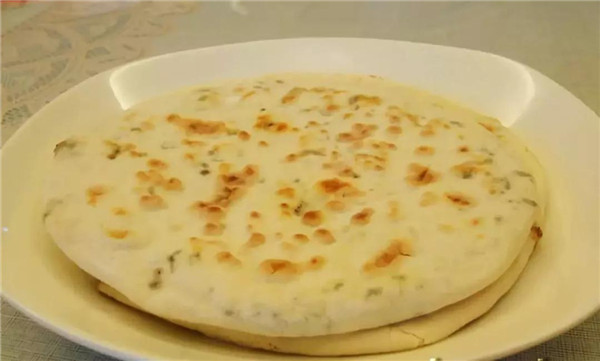
Nanxi Wheat Cake
Nanxi wheat cake originated in Shatou, Yongjia. Since ancient times, Shatou has been a stop for boats and travelers waiting for the tide, and wheat cakes became a common provision for journeyers. Half a jin (250 g) of wheat flour, one egg, and a spoonful of vegetable oil are mixed and kneaded thoroughly, then stuffed with pickled vegetables, fresh pork, dried shrimp, and seasonings. The filling is wrapped up, rolled into a flat round shape, and baked in an oven. The finished cake is crisp and fragrant, making the mouth water.
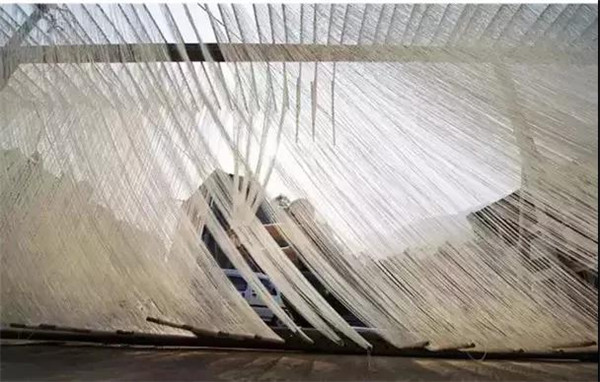
Shagang Rice Vermicelli
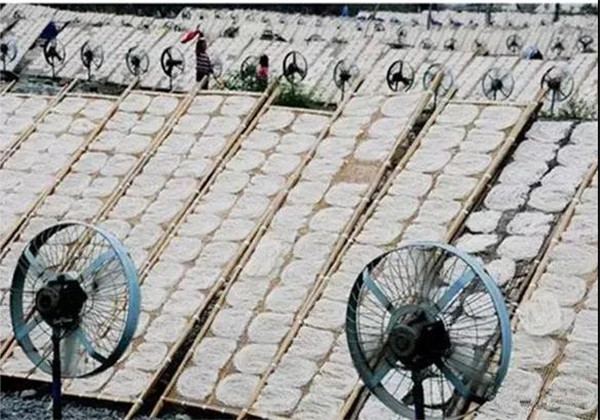
Making rice vermicelli is a sideline with a long history in Yongjia, dating back over eight hundred years. Shagang rice vermicelli is fine as yarn, white and soft yet resilient, and is much loved by local people. When hosting a banquet, hospitable Yongjia people always serve a plate of stir-fried rice vermicelli with shredded pumpkin first, then propose a toast. When visiting relatives and friends elsewhere, Shagang rice vermicelli is also the first choice of gift for locals.
Yantou Jinfen Dumplings
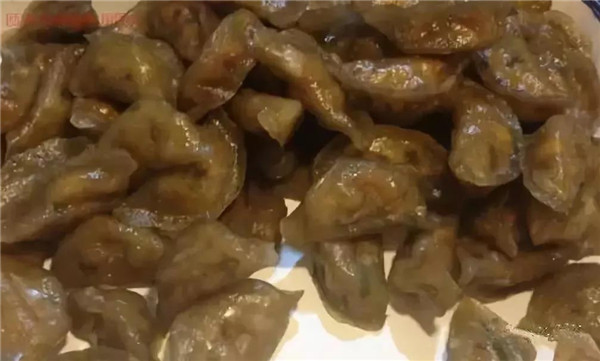
Yantou jinfen dumplings are a unique snack of the Nanxi River area, made with sweet potato starch. Compared with ordinary dumplings, Yantou jinfen dumplings are larger. The finished dumplings are smooth without being greasy, fragrant and tender, chewy in texture—three to five of them will fill you up. (Transliterated in Wenzhou dialect: jinfenjia)
Handmade Thin Noodles
Compared with ordinary noodles, Nanxi handmade thin noodles taste lighter and fresher. Because the amount of salt is well controlled during production, the noodles have good resilience and excellent texture. They are simple to cook: prepare the broth first, then drop the noodles into boiling water and they are done as soon as the water boils again. In Wenzhou, when a woman is in postpartum confinement, she often eats thin noodles and drinks thin noodle soup. When relatives and friends visit, they will also eat a bowl or take away the uncooked semi-finished noodles.
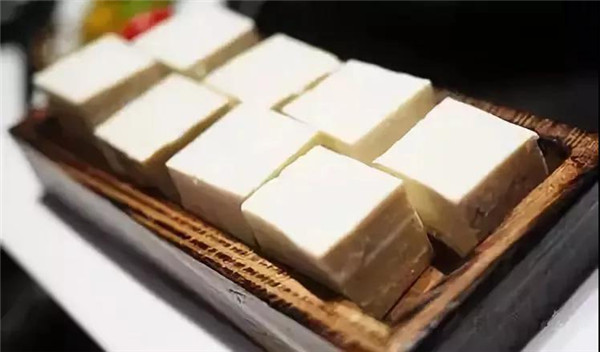
Salt-Brined Tofu
Tofu is a very plain name, but add the words "salt-brined" and it takes on a distinctive flavor. Nanxi tofu is all made with salt brine, so it is sweet yet slightly salty, with a subtle aroma inside, and refreshing to eat.
Yongjia Field Fish
Yongjia County has a long history of raising fish in rice paddies. According to Nanxi folk legend, the ancestors of Yongjia began raising field fish as early as the Three Kingdoms period (220-280 AD) under Sun Quan's rule in Jiangdong (the lower Yangtze River region). This shows that Yongjia has a history of field fish farming spanning over 1,700 years. Yongjia field fish has thick, tender flesh and is best braised whole, cooked with local rice wine and old ginger—extremely delicious.

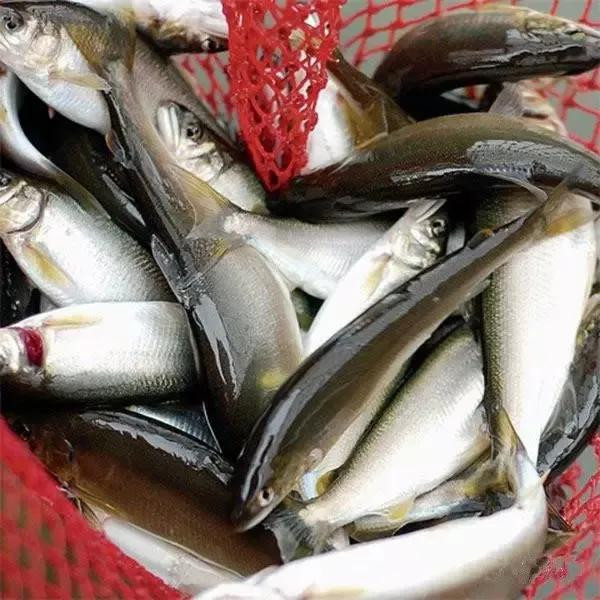
Chaoji Sweetfish
Sweetfish is a peculiar and precious freshwater fish of the Nanxi River, named for a scent gland along its back that emits fragrance. According to the Wanli edition of the *Wenzhou Prefectural Gazetteer*, sweetfish is "10 to 13 centimeters long, excellent in taste without fishiness, living in clear streams, available only in the tenth month, slightly different from that produced in Yueqing." The flesh is fine and delicious with a special fragrance, making it a top-grade food fish. On the international market it enjoys the reputation of "king of freshwater fish."
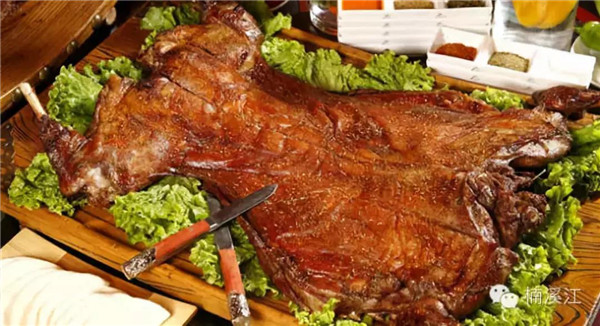
Lingshang Roast Whole Goat
Roast whole goat, with a touch of exotic flavor, is now a signature dish at many farmhouse inns along the Nanxi River, attracting countless visitors. Lingshang roast whole goat uses local raw material and is charcoal-roasted with a unique recipe. It is crispy outside and tender inside, rich but not greasy—a dish complete in color, aroma, and taste.
Sihaishan Yellow Cattle Bone
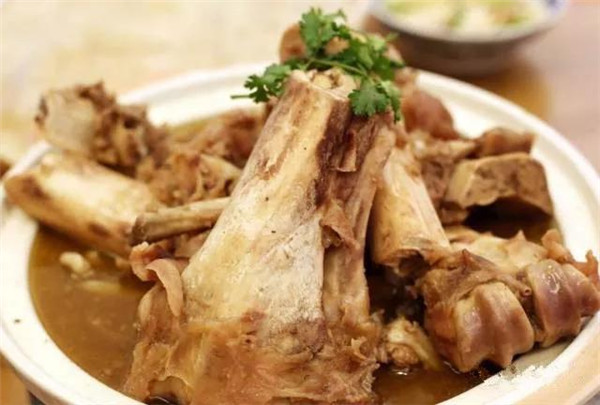
They say meat near the bone is especially fragrant. This whole set of yellow cattle bones is also rich in aroma and deeply flavored thanks to careful and unique seasoning. Because the cattle bones are stewed for a long time, the meat and tendons are tender and soft, and after eating, a rich fragrance fills the cheeks. Cattle bone soup is excellent in both taste and nutrition, and the steak in particular has a pure flavor—crispy and fragrant in the mouth without being greasy.